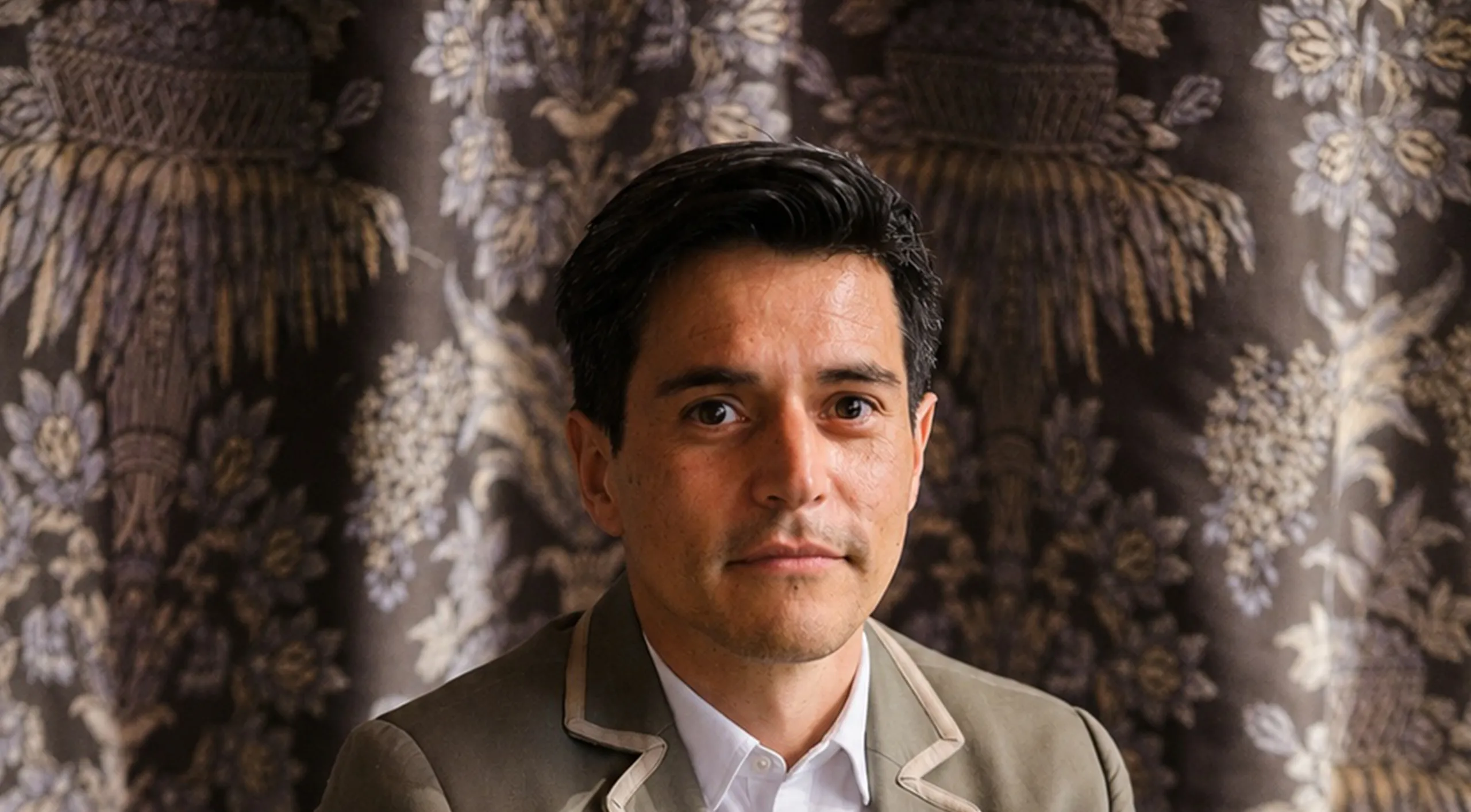
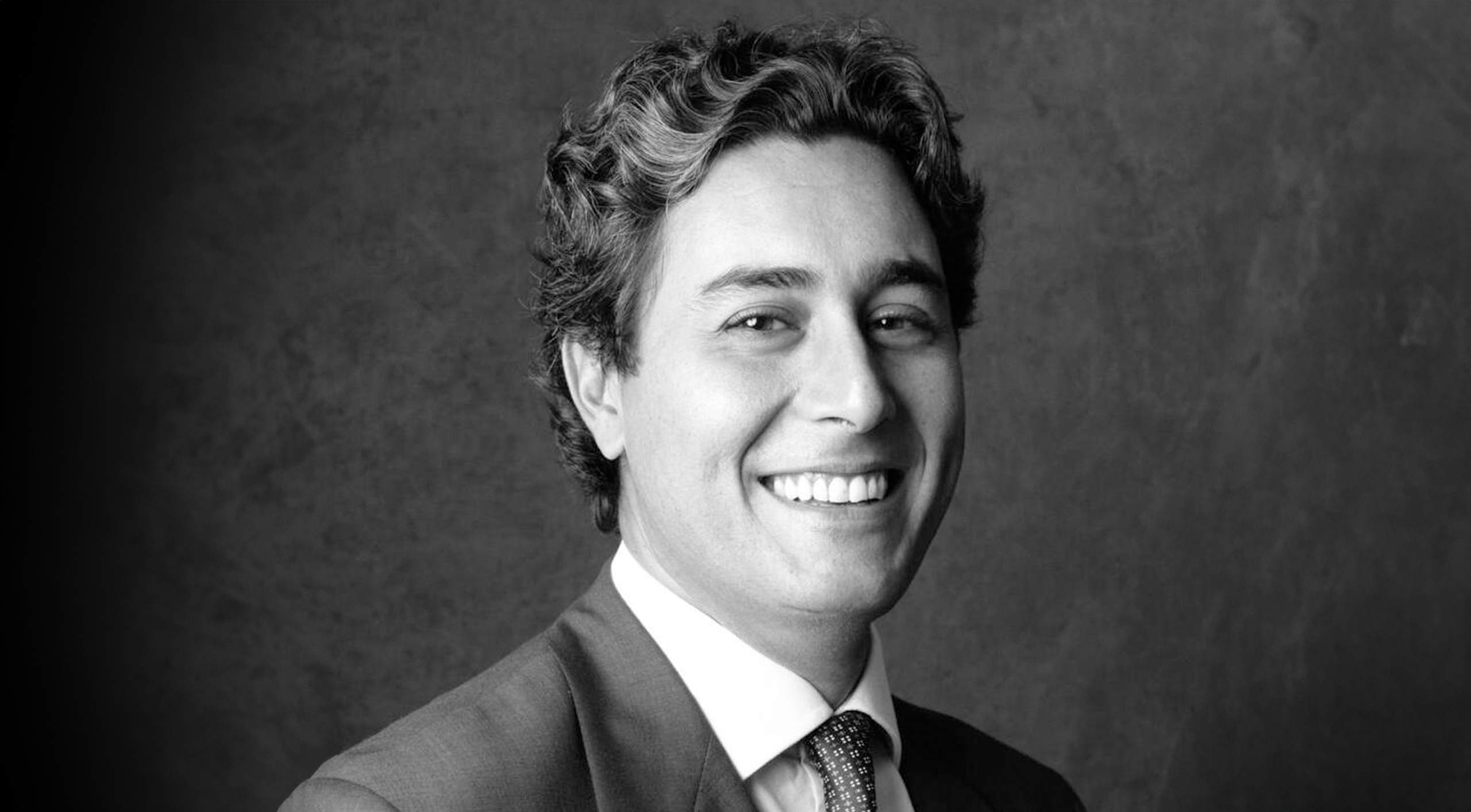
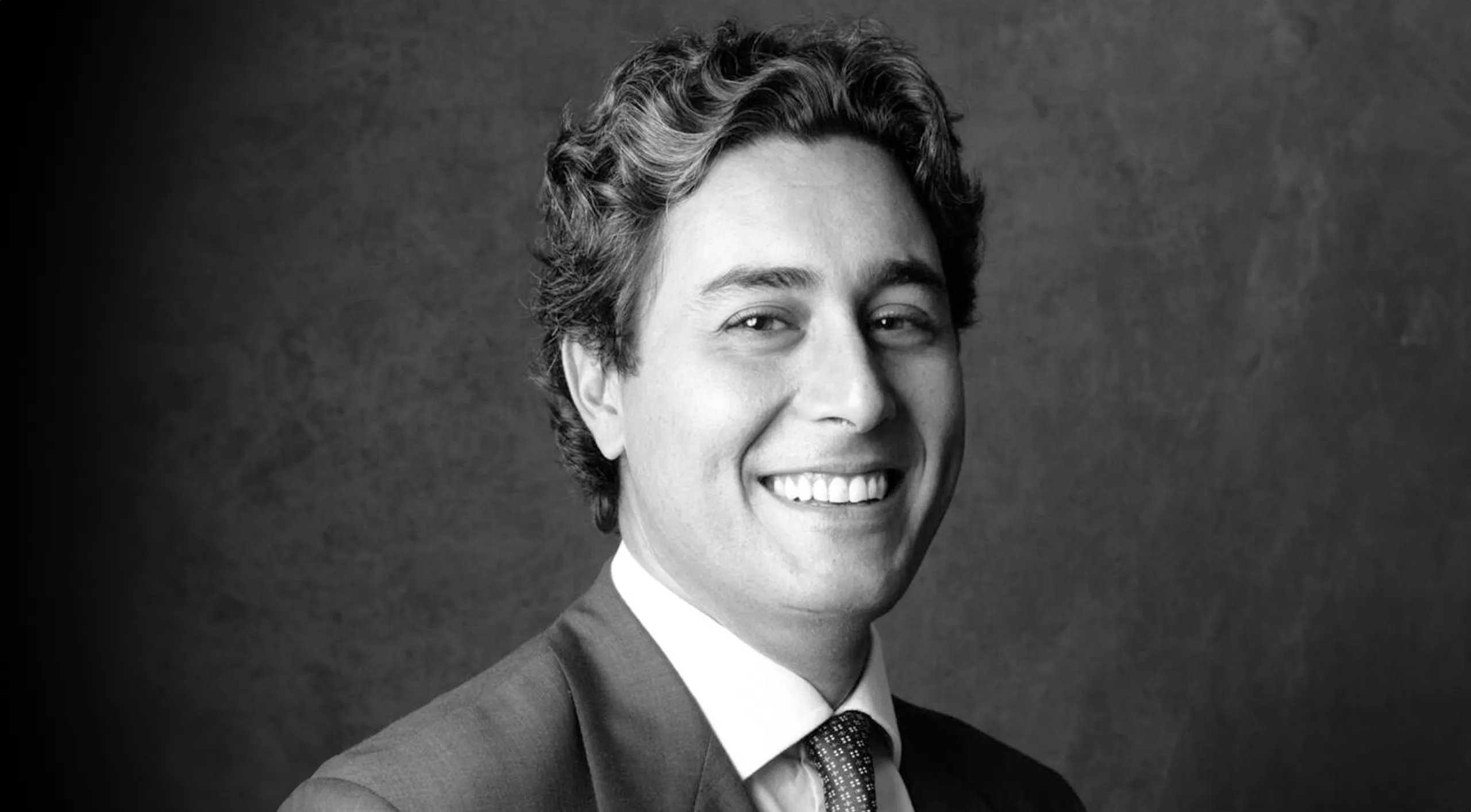
Marco Garbuglia of Barnes International
By Francois Vandame, International Director of Business Development and Yacht Services
Milan, the ancient city whose name derives from the Celtic Medhelan – with ‘medhe’ meaning ‘middle’ or ‘center’, has long been the nexus of culture, art and fashion. It’s stunning architecture and proximity to the Italian lakes, Alps and Ligurian beaches, combined with favorable tax incentives and enviable lifestyle opportunities, have made it a burgeoning 21st century renaissance metropolis. Executives, families and professionals are relocating there in great numbers. Our international Director of Business Development and Yacht services, Francois Vandame, spoke with Marco Garbuglia of Barnes International on how to find real estate in one of the world’s oldest and most beautiful cities.
Francois Vandame: Marco, we’ve seen an incredible number of US, UK and French citizens in particular flock to Milan in recent years. How has this affected the luxury real estate market in the city and beyond? What types of people have you noticed moving to the city, and has this influx set off any new trends in Milan?
Marco Garbuglia: Yes — the impact has been structural, and it shows up first of all in demand. The appetite for large, generously-proportioned apartments has grown enormously in recent years, and it has now settled at a consistently high level rather than spiking and fading; the number of ultra-prime sales has multiplied several times over since 2020.
Two forces have driven it, together. The first is the flat-tax regime for new residents. The second, less talked about, is the return of Italians who had built their careers in London: many of them work in finance, and for them Milan was the natural landing place. Combined, these two flows have powered the luxury market and, above all, the search for large-format homes.
The buyer profile has shifted accordingly — and widened. At its core are younger entrepreneurs and finance and tech executives, but alongside them we’re increasingly seeing European couples in their sixties who have sold, or are about to sell, their company and are choosing to relocate to Italy. So it’s mostly the young, yes, but with a meaningful share of the less-young as well. The clearest trends are a surge in the super-prime segment and a strong appetite for turnkey, move-in-ready and serviced homes — precisely where quality supply is genuinely scarce.
FVD: What are the watch-outs or important differences in buying or leasing property in Italy that an expatriate should be aware of?
MG: Preparation matters. First, obtain an Italian tax code (codice fiscale) and open a local bank account before you commit to anything. Understand the notary’s role: the notaio is a public official who guarantees the transaction and collects the taxes, but is neutral — not your advisor — so I always recommend an independent lawyer or a good real estate agency alongside. The purchase process runs through a preliminary contract with a deposit of typically 10–30%, title and lien checks, then the final deed.
Plan for the timeline, too: in Milan, closing on a large apartment takes on average six to nine months — noticeably longer than in many other European markets — so build that into your planning.
On costs, registration tax is calculated on the cadastral value, which is usually well below market value, at 2% for a main home versus 9% for a second home (or 4% vs 10% VAT when buying from a developer), so budget closing costs carefully.
If you lease rather than buy, the balance shifts in your favor: Italian law leans strongly toward the tenant, which meaningfully reduces the risk for the renter — though I’d still have any lease reviewed by an advisor before signing.
Finally, on the flat tax: it is €300,000 per year plus €25,000 per family member, for up to 15 years.
FVD: What’s the most enviable district within the city itself and what makes it so? Is it common to have a secondary home in the Alps or Lakes for weekends? What are the places where you see most opportunity for growth and real estate investment?
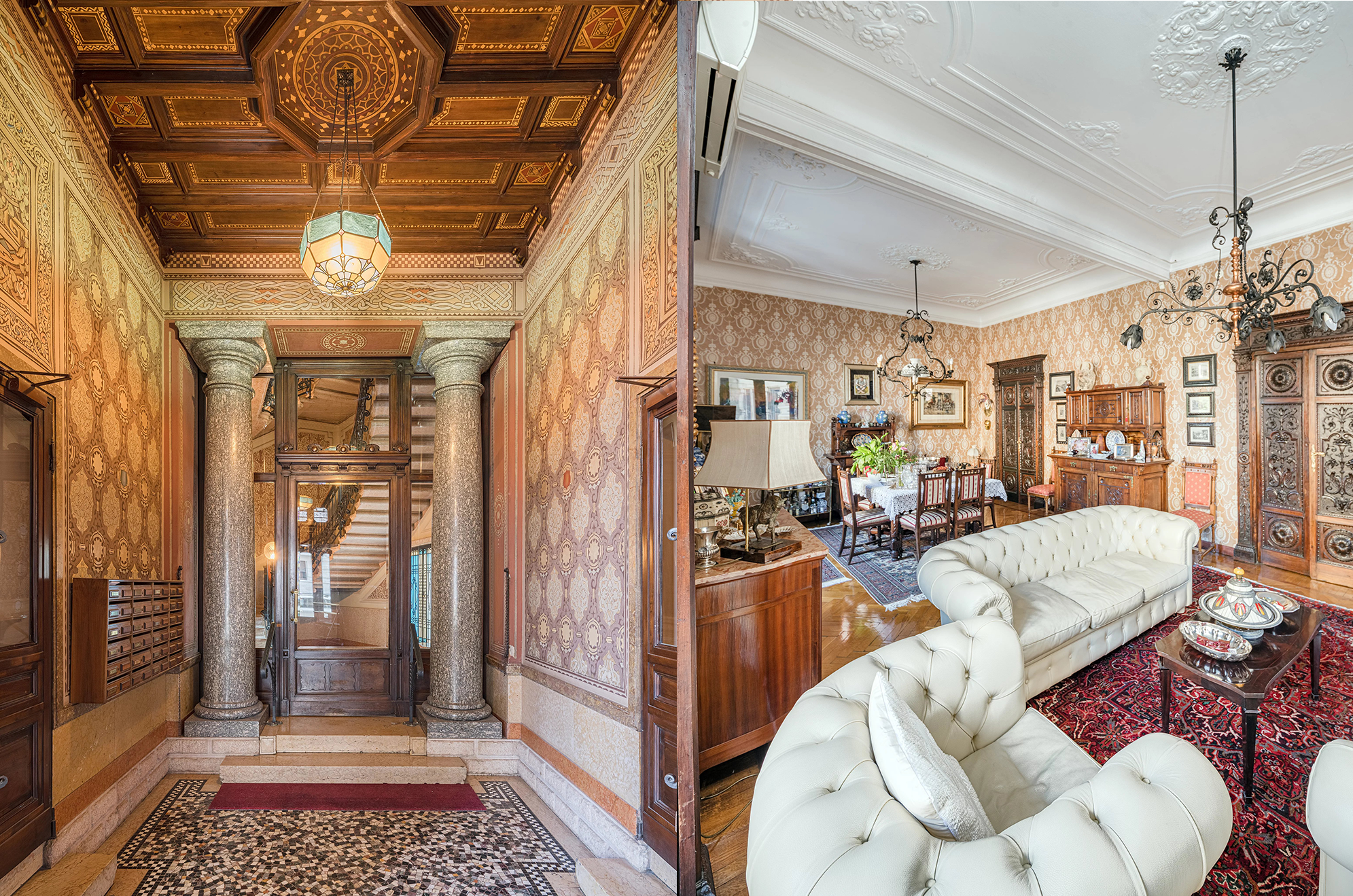
MG: For sheer prestige, nothing rivals the Quadrilatero della Moda around Via Montenapoleone, with Brera close behind for its atmosphere — cobbled streets, galleries and a village feel in the very center of the city. Two other districts are hugely sought-after, for the beauty of their architecture, their history and their quality of life: the so-called Quadrilatero del Silenzio, tucked just behind Corso Venezia; and the Magenta–Pagano area — where, for instance, Bernard Arnault (LVMH) has acquired Casa degli Atellani, the historic palazzo tied to Leonardo da Vinci and his vineyard.
A second home is very much the norm. Lake Como holds a global standing few other European lakes can match, alongside the wider Italian Lakes. For the mountains, there are many beautiful Italian spots, but the Milanese are also strongly present in St. Moritz — the reference point for winter; a few keep a home in Cortina, though it isn’t especially easy to reach from here. And for the coast, Portofino and the Tigullio.
As for growth, within Milan, the strongest upside is just outside the core — the former rail-yard regenerations, led by Porta Romana and its 2026 Olympic legacy, alongside Porta Nuova and CityLife. Beyond the city, Lake Como and Portofino remain the destinations of choice for those buying to hold, with demand structurally ahead of supply.
FVD: What properties are you representing now that are worthy of our client’s attention?
MG: I’ll be candid: in Milan the finest homes are rarely advertised — at the top of the market the best pieces move off-market, by introduction. To give a sense of the range: a frescoed piano nobile in Brera, a move-in-ready high-floor home in CityLife with skyline terraces, and signature penthouses in the most sought-after locations. There’s also a rhythm to Milan: August is a pause, and the finest offering is presented afresh from September. So the best way in isn’t a public list but a private conversation — which I’d be delighted to open for your clients.
FVD: How does Milan fit into the cultural ecosystem in Italy, and what makes the city stand out from other art capitals in Europe?
MG: Milan’s distinction is that its culture is a living, working economy rather than a museum. It is the world capital of design and fashion, home to the Salone del Mobile and Design Week, the two Fashion Weeks, and institutions from La Scala to the Pinacoteca di Brera, Leonardo’s Last Supper, the Museo del Novecento and Fondazione Prada. Where Rome, Florence or Venice look to their past, Milan produces. Creativity here is commerce, and that energy is exactly what draws international residents.

FVD: Cadogan Tate specializes in International relocations. Our mantra is Everything, Handled with Care. What distinguishes the approach of Barnes International when working with clients looking to relocate?
MG: What defines Barnes isn’t only its presence in more than twenty countries — it’s the way the group is built. Barnes is, and has always been, a family business: founded by Heidi Barnes and led today by her husband Thibault de Saint Vincent, with the ambition of passing it on to the next generation. That is the spirit we bring to our clients, here in Milan as everywhere: the attention, and the continuity, of a family business. We don’t work for the next sale — we accompany our clients for decades, guided by trust, excellence and elegance. It’s a philosophy we’re proud to share with a partner like Cadogan Tate: the same conviction that what is entrusted to us — and the people behind it — deserves genuine care.
To learn more about Milanese properties listed with Barnes International, click HERE.
To enquire and learn more about Cadogan Tate’s international shipping and relocations, click HERE.
Related Articles
Marco Garbuglia of Barnes International
Claudio Corsi and Almanac Home

Stefanie Hessler Discusses Aeolian Suite and the…