Stefanie Hessler Discusses Aeolian Suite and the 61st Venice Bienniale
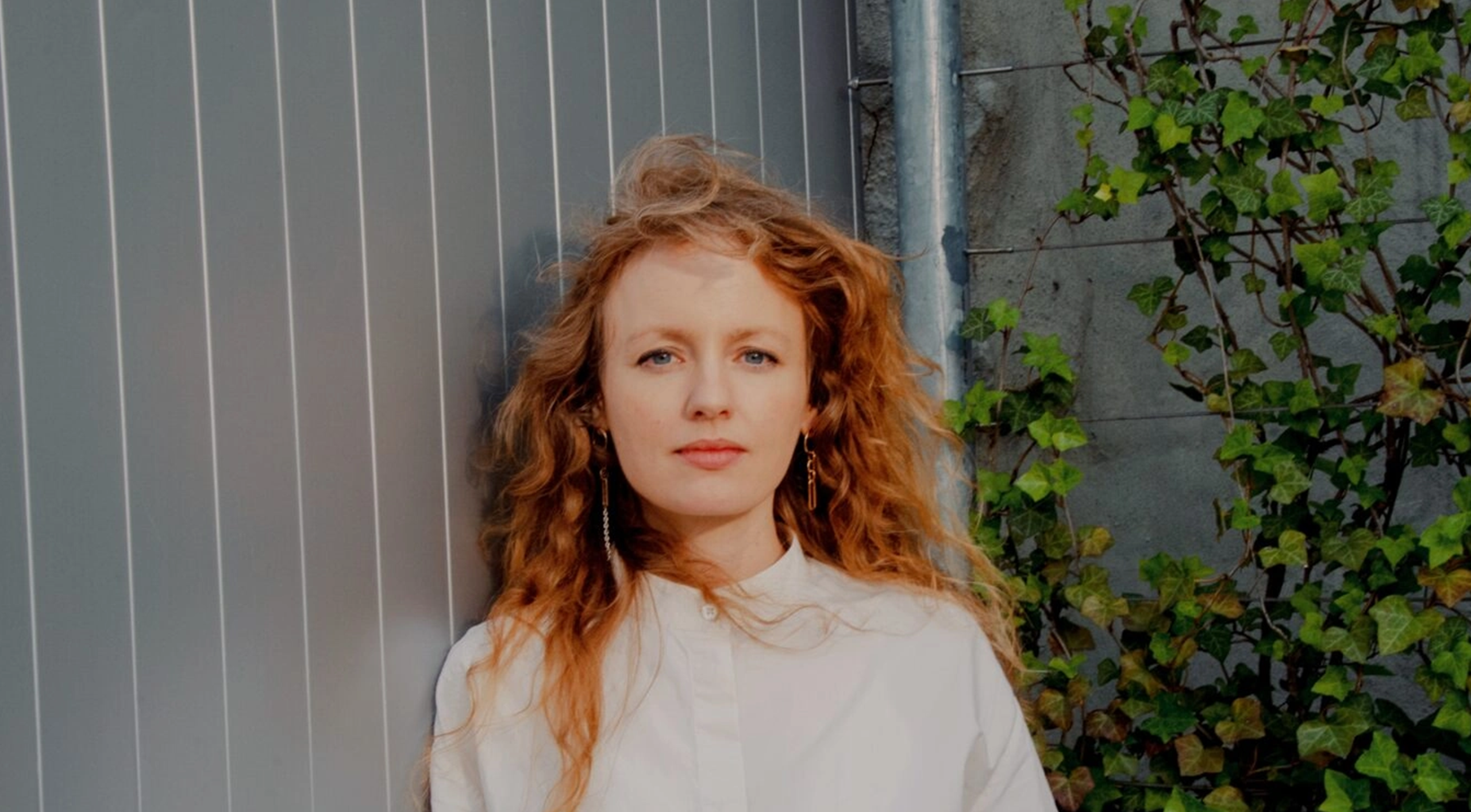
By Gemma Sudlow, EVP, Group Commercial and Marketing
Following the opening of the Finnish Pavilion at the 61st International Art Exhibition – La Biennale di Venezia, Cadogan Tate’s Gemma Sudlow speaks with curator Stefanie Hessler about Aeolian Suite, a new work by artist Jenna Sutela that transforms the elusive force of wind into a multisensory experience.
Gemma Sudlow: Aeolian Suite transforms something as intangible as wind into a deeply immersive experience. What was the genesis of your collaboration with Jenna Sutela, and how did the curatorial vision for the pavilion begin to take shape?
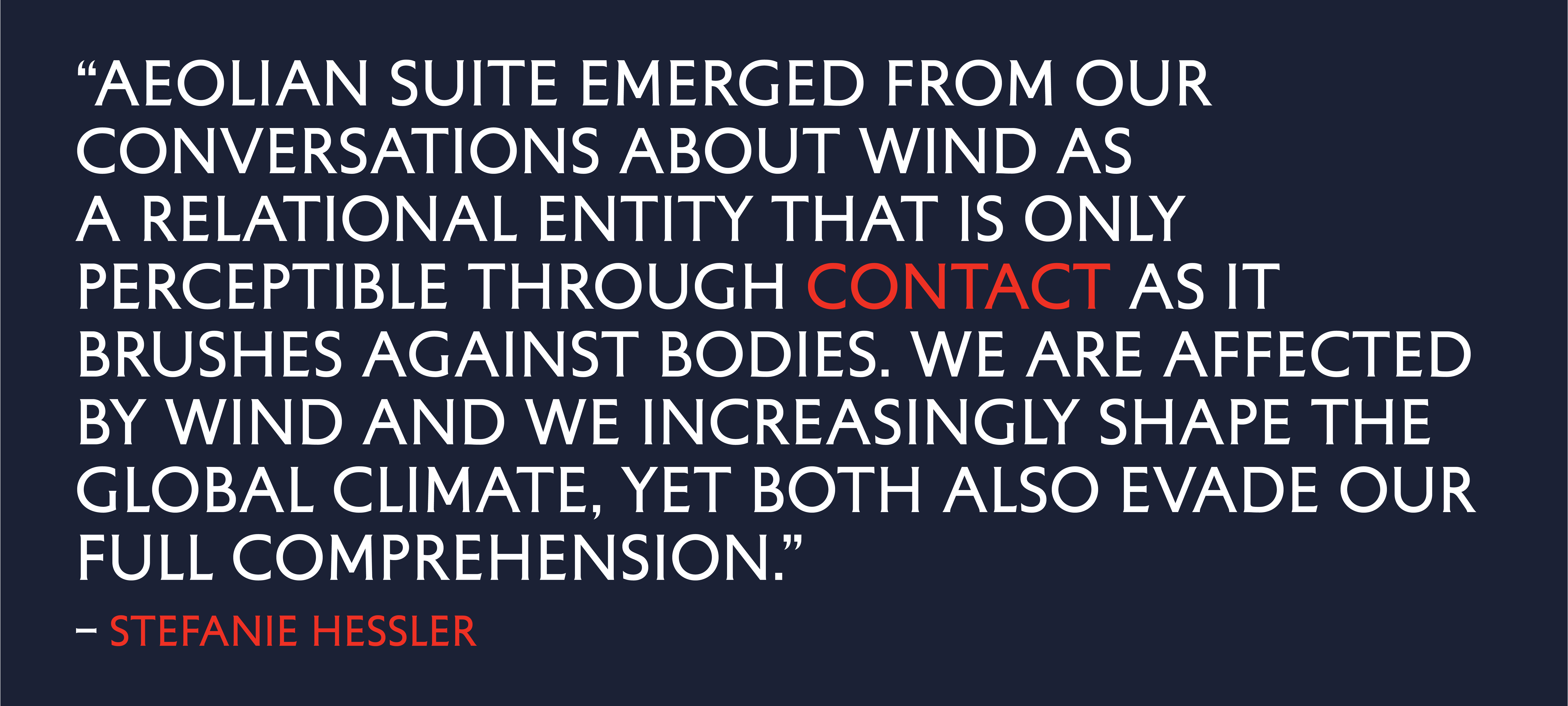
Stefanie Hessler: Jenna Sutela and I have collaborated for many years. We first met in 2016 in Helsinki, and I have since invited her to show as part of the Athens Biennale I co-curated in 2018, as well as for a solo exhibition at Kunsthall Trondheim in Norway in 2020 when I was the director there, and an installation as part of the long-term experimental curatorial project Spora at Swiss Institute New York. I’ve long been interested in how Jenna’s work brings together technological and organic systems. Aeolian Suite emerged from our conversations about wind as a relational entity that is only perceptible through contact as it brushes against bodies. We are affected by wind and we increasingly shape the global climate, yet both also evade our full comprehension. These ideas resonate deeply with Jenna’s artistic and my curatorial practice, and became the point of departure for the project.
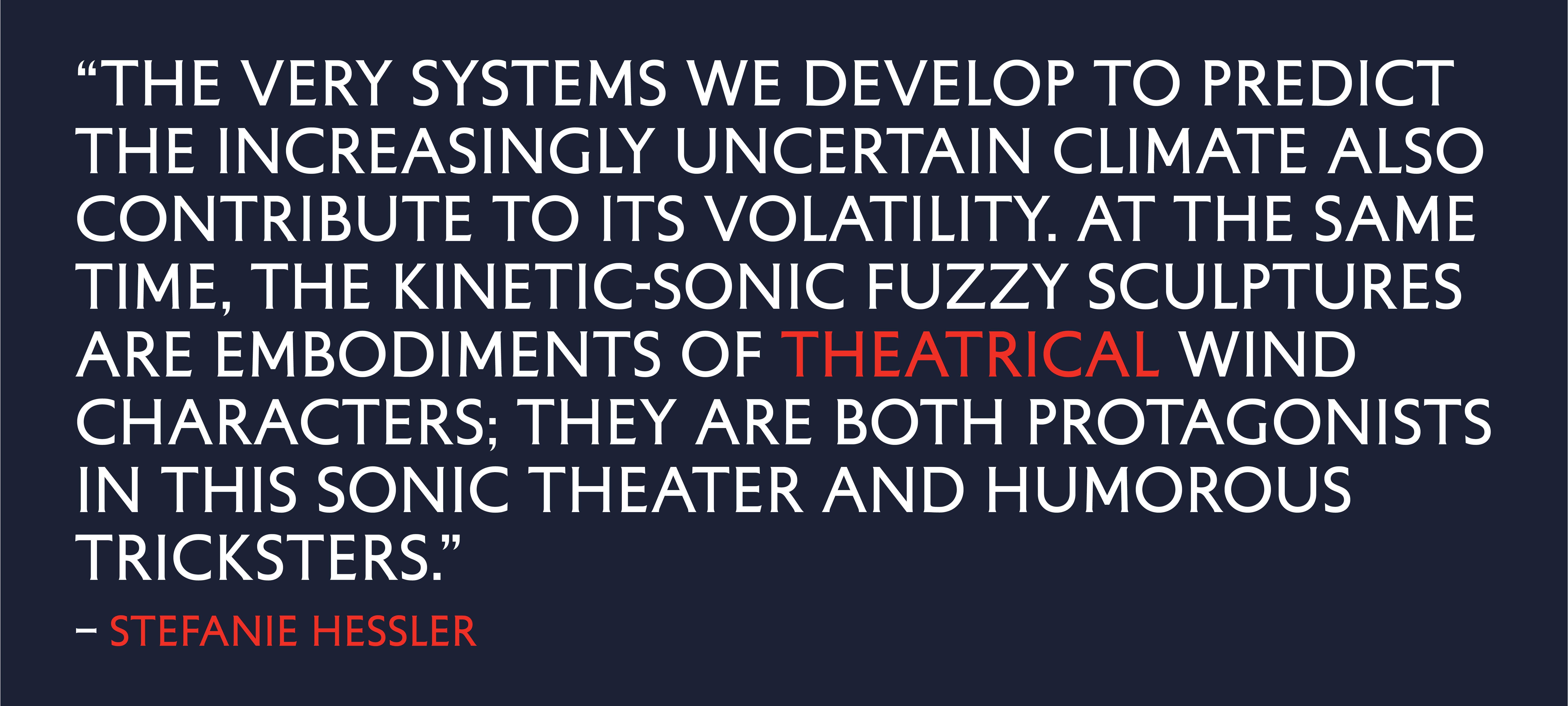
GS: The Finnish Pavilion, designed by Alvar Aalto, is an architectural icon in its own right. How did you approach creating a dialogue between the exhibition and the building, ensuring the pavilion became an active part of the visitor’s experience?
SH: The architecture by Alvar and Elissa Aalto was originally intended as a temporary, nomadic structure, and is loosely founded on the fan-based layout of classical theaters intended to optimize acoustics. Alvar Aalto thought of architecture as a humanmade extension of nature. Aeolian Suite is a reference to wind but also to a musical suite and an architectural space. The project brings together five sculptures embodying tropes from the commedia dell’arte nomadic theater tradition and a musical composition inspired by the five winds that are most present in Venice, created from meteorological data, wind recordings, and a spontaneous children’s woodwind orchestra, among others. Visitors are invited to step inside and become a part of this sonic-kinetic theater of the elements.
GS: Much of your curatorial practice explores the intersections of ecology, science, and technology. How does this exhibition build on those interests, and what conversations did you hope it would spark within the context of this year’s Venice Biennale?
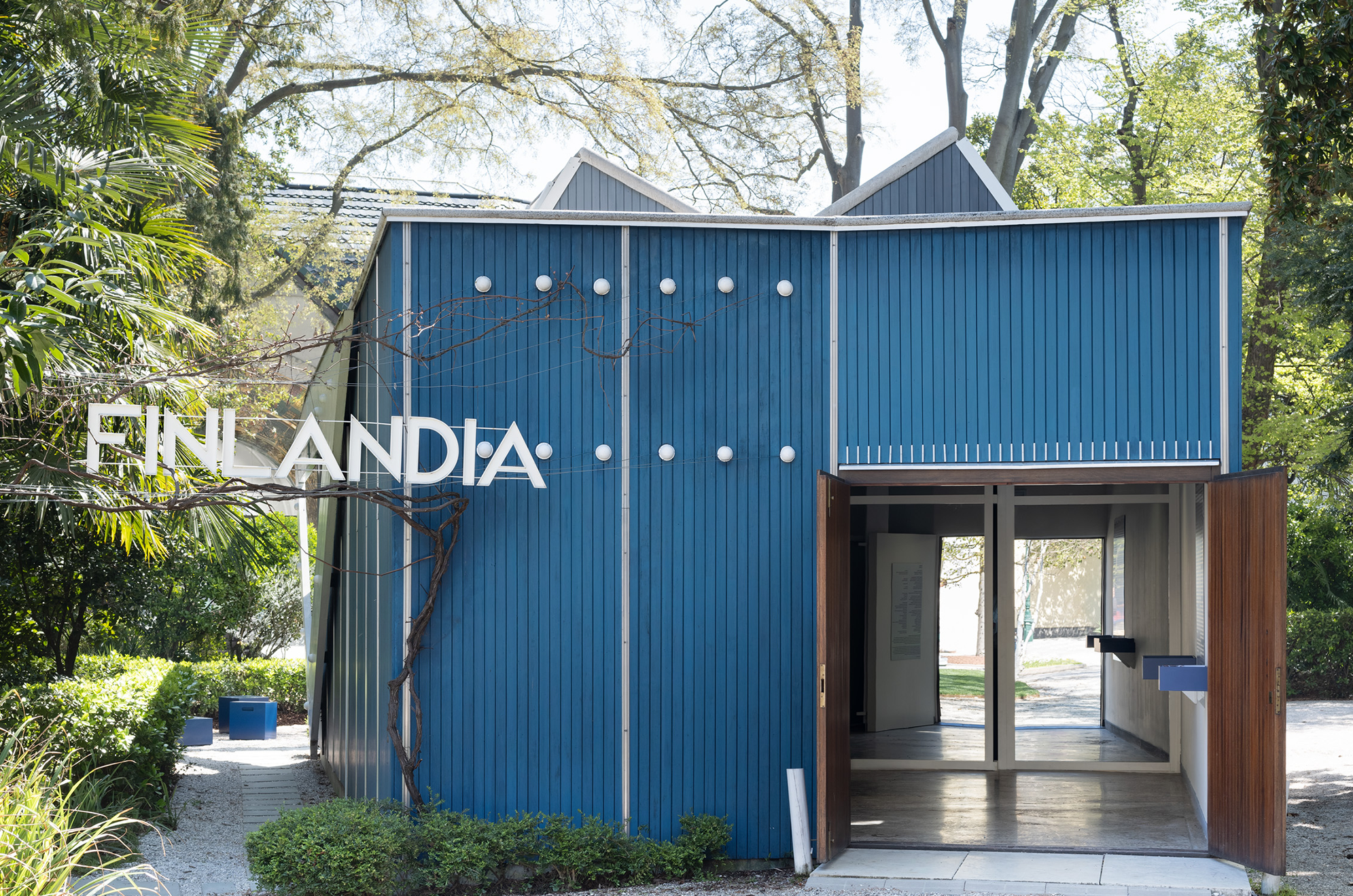
SH: Aeolian Suite considers how scientific and technological systems mediate our understanding of increasingly unpredictable environments, and how these nonetheless evade our capture. The very systems we develop to predict the increasingly uncertain climate also contribute to its volatility. At the same time, the kinetic-sonic fuzzy sculptures are embodiments of theatrical wind characters; they are both protagonists in this sonic theater and humorous tricksters. The project invites conversations around the increasingly volatile climate—ecologically, socially, and politically.
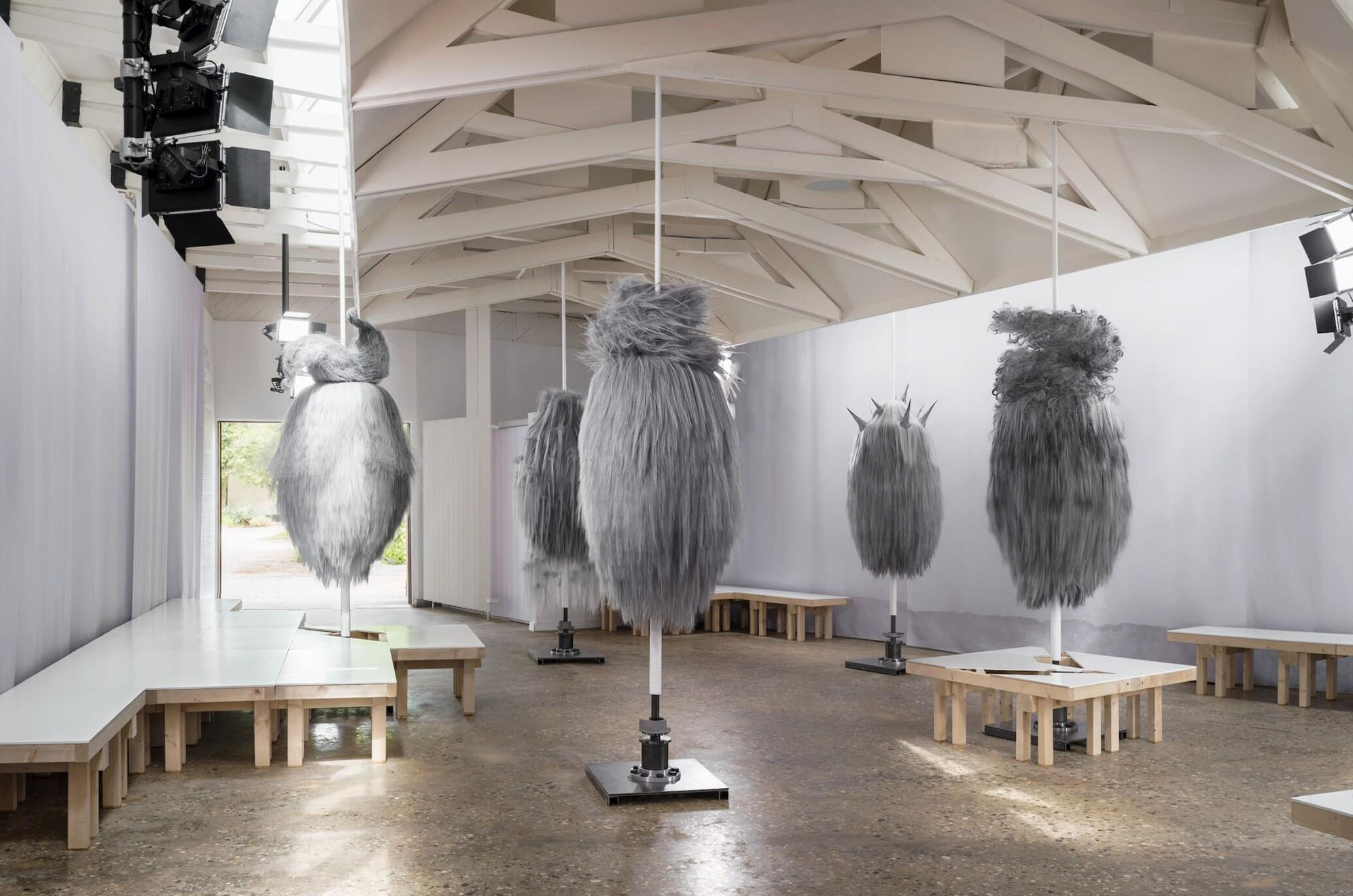
GS: Bringing a national pavilion to life is an enormous collaborative effort, involving everyone from artists and fabricators to installation teams and technical specialists. Looking back on the process, were there any moments that particularly reinforced the importance of collaboration in realizing the project?
SH: The pavilion involved numerous collaborators, from the commissioners at Frame to researchers and sound engineers, from scenographer Celeste Burlina to hair artist Sara Mathiasson and graphic designer Enver Hadzijaj, musicians, studio assistants, and many others. The collaborations beautifully mirror the multifaceted and multisensory work, and especially in the context of Venice felt all the more meaningful for the realization of the project.
GS: Now that the pavilion has opened to audiences from around the world, what do you hope visitors leave with after experiencing Aeolian Suite? Is there a particular feeling or perspective you hope stays with them long after they’ve left Venice?
SH: I hope visitors will take with them the publication including the vinyl record with a section of the sound composition, and consider practicing what Pauline Oliveros calls deep listening: a conscious focus on sonic presence intended to attune ourselves to our multisensory environment.
Connect with Stefanie at the Swiss Institute HERE.
To enquire and learn more about Cadogan Tate’s International Shipping Services, click HERE.
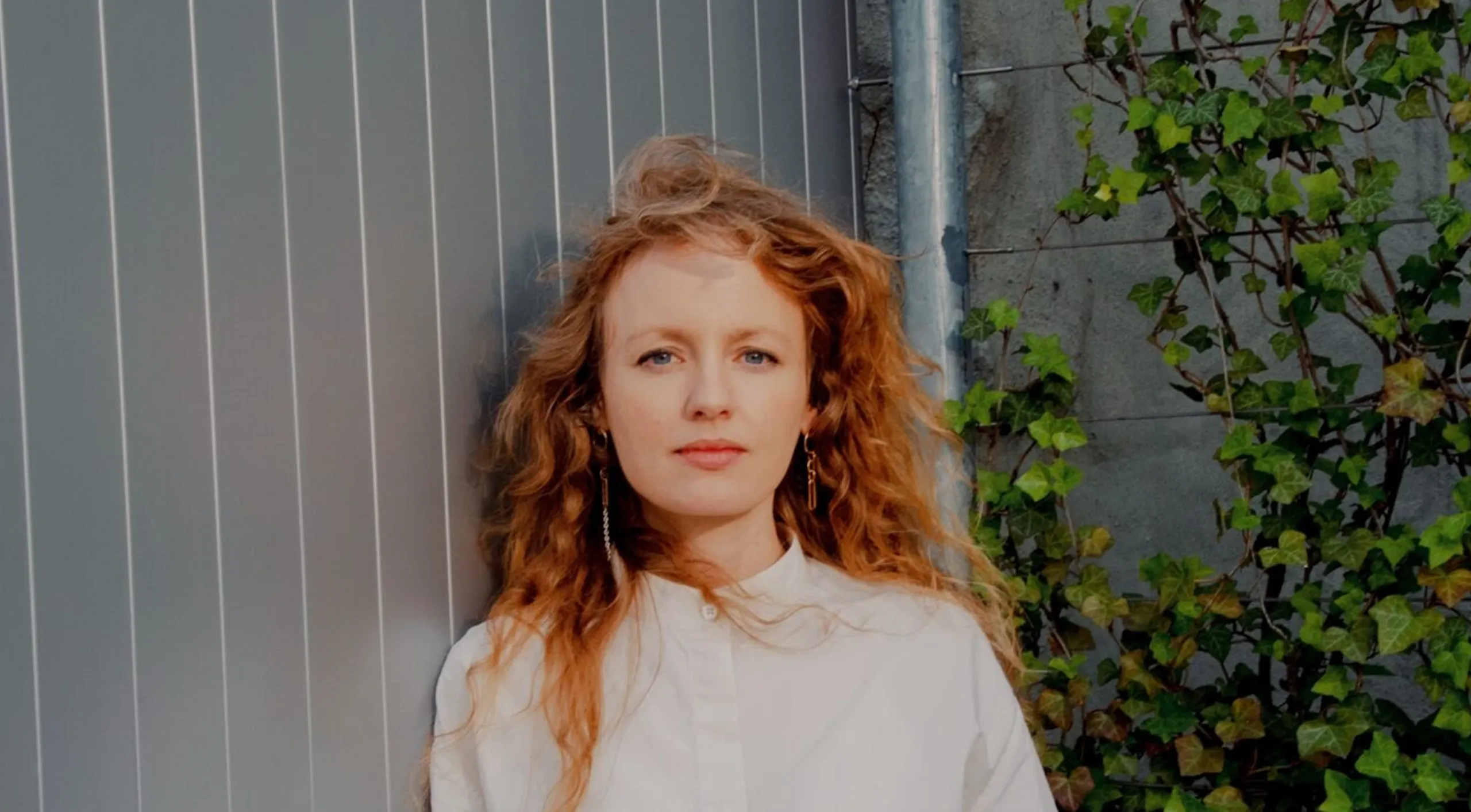
*Stefanie Hessler’s portrait by Lila Barth. Aeolian Suite photos by Ugo Carmeni.
Related Articles
Stefanie Hessler Discusses Aeolian Suite and the…
Unpacked: Peter Gomez on Zoffany and Michael…
Cadogan Tate Official Logistics Provider for the…