By Gemma Sudlow, EVP, Group Commercial and Marketing
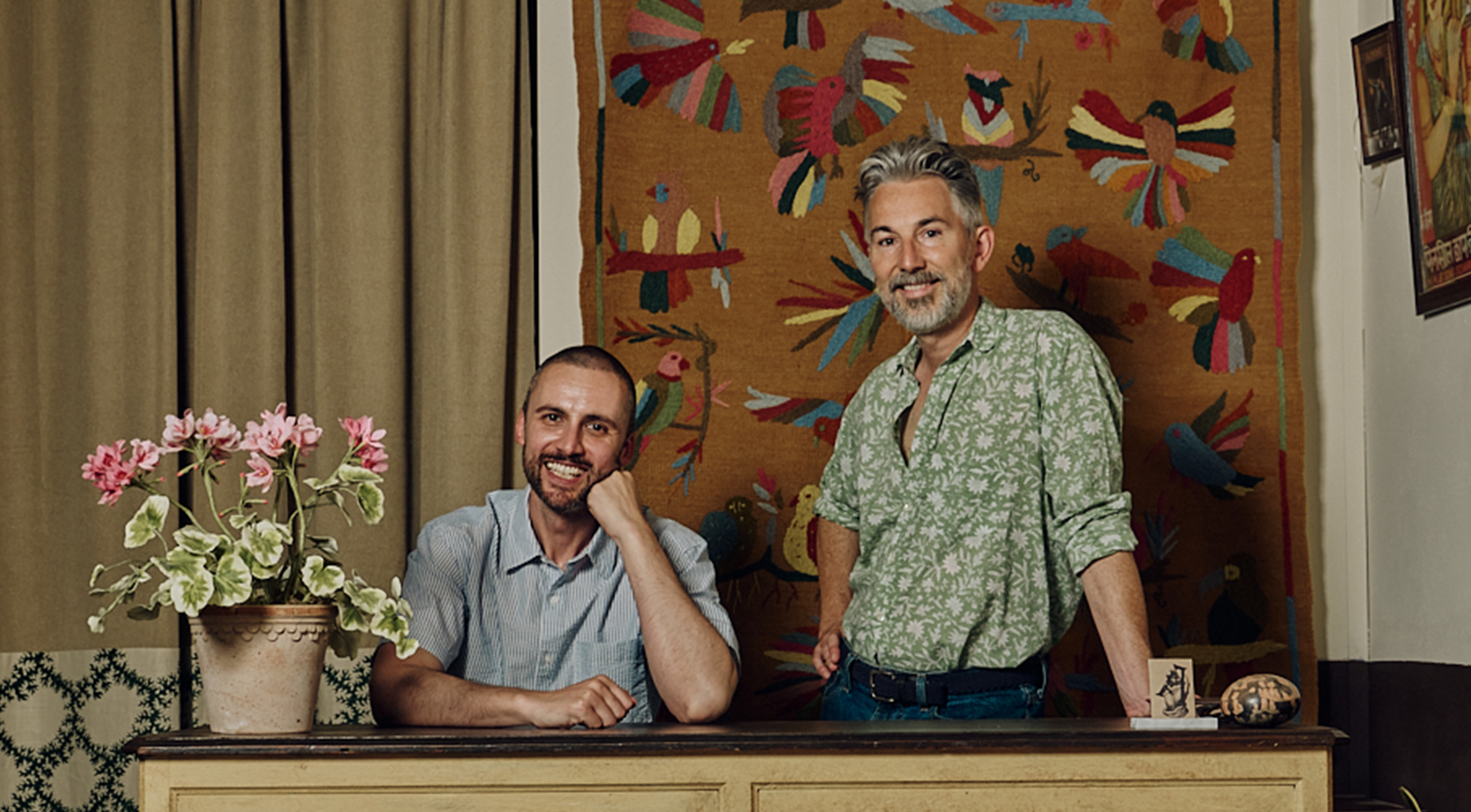
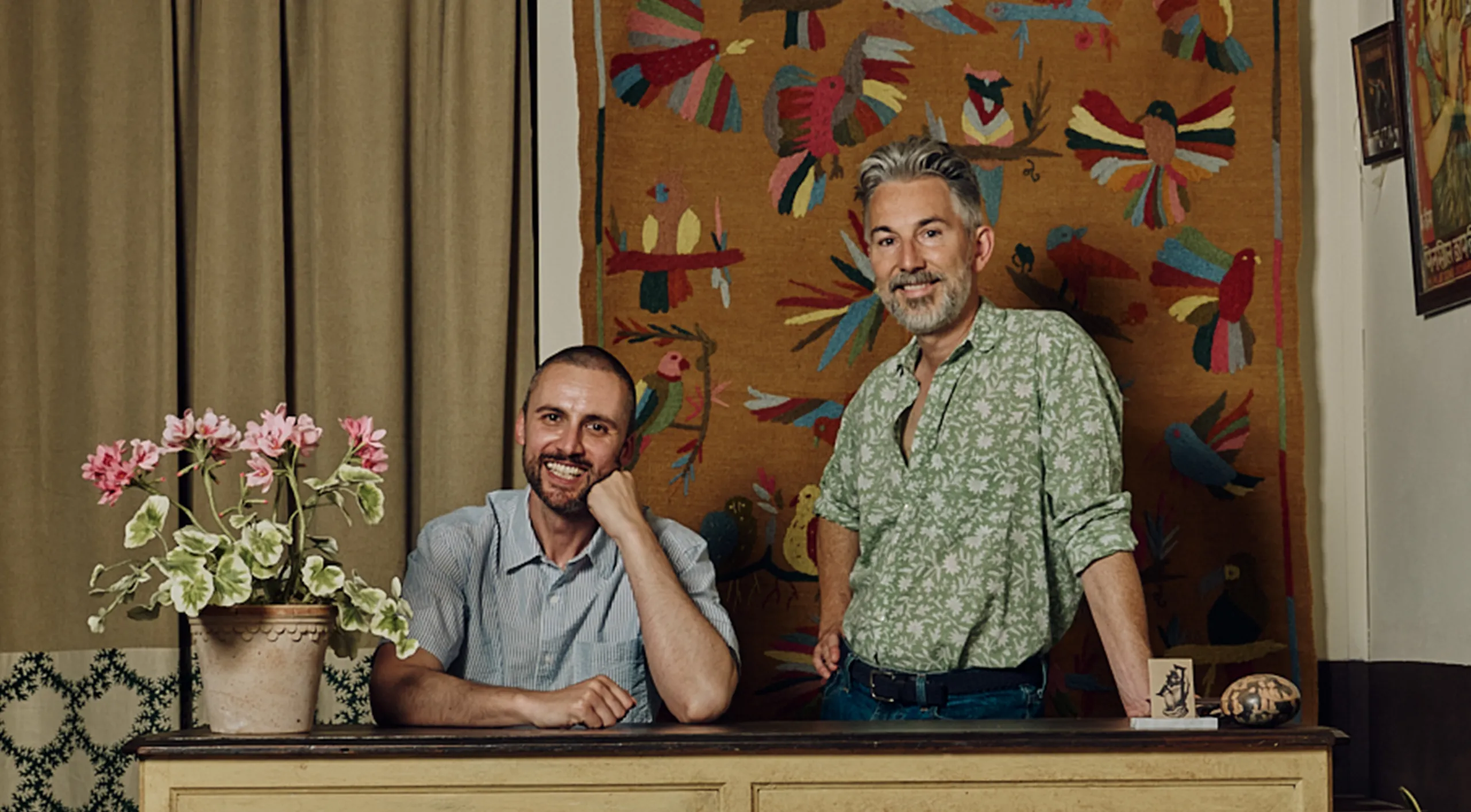
For this edition of Unpacked, Cadogan Tate’s Gemma Sudlow speaks with Claudio Corsi, co-founder of Almanac Home, a distinctive destination for antiques, art and beautifully made objects in Pietrasanta, Tuscany.
After nearly two decades in the auction world, including leading the Antiquities department at Christie’s, Claudio brings a collector’s eye and a deep appreciation for history, craftsmanship and provenance to Almanac. Together with David Nicholls, Editorial Director at Homes & Gardens, he has created a space where objects from different periods, places and traditions come together through a shared sense of curiosity and delight.
Gemma speaks with Claudio about his journey from Christie’s to Almanac, the art of sourcing and collecting, and why the most meaningful homes are often those built slowly, through objects that continue to give something back over time.
Gemma Sudlow: You run Almanac Home with David Nicholls. How does that shared perspective shape the way you approach the store and the world you’ve created around it?
Claudio Corsi: This is a shared vision. David has worked in publishing for his entire career and has specialised in interior design: at the Daily Telegraph, House & Garden and now at Homes & Gardens where he is editorial director. So while the antiques and art are very much my department, David’s experience and network – and his flair for design and styling – helps bring the mix to life. I can’t think of another shop that sells such a wide range of objects, from blockprinted textiles from India and handmade Bulgarian ceramics to 19th century straw marquetry souvenirs and English folk art. Everything considered for Almanac needs two strong yesses to make it onto the shopfloor.
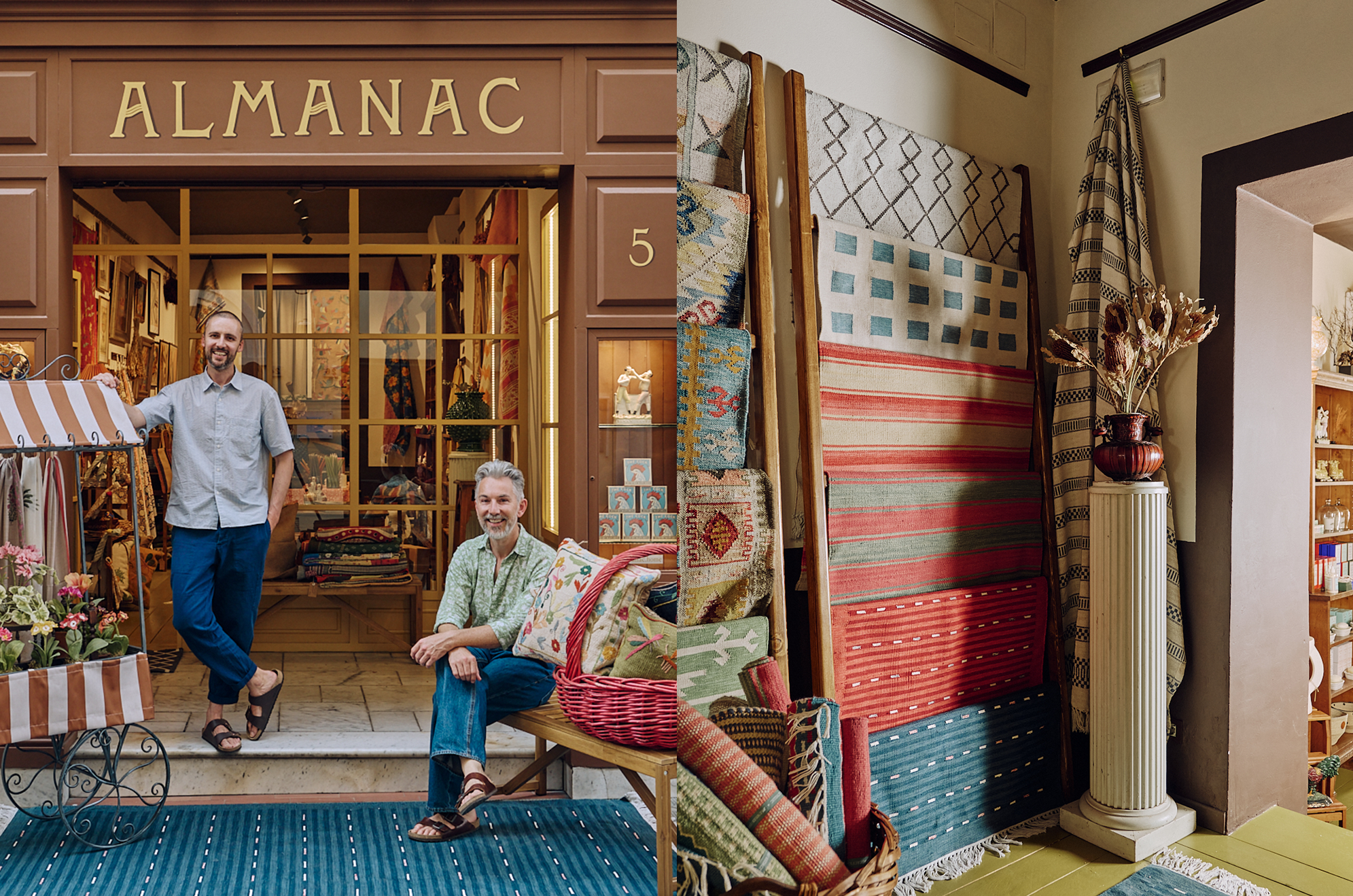
GS: Almanac is based in Pietrasanta, Tuscany. What made that the right place for this project, and what does the town mean to you?
CC: I grew up in Florence and came to Pietrasanta regularly as a child. But the first time David and I came together – around five years ago – we sat in the Piazza Duomo and said to ourselves: ‘how can we make this beautiful little town a part of our lives’. Its pedestrianised streets are lined with incredible restaurants, galleries and boutiques, and it has deep ties to the arts, thanks to the local marble quarries and countless workshops. We could see that its locals and visitors (both international and second home owners from Milan and Florence) had a strong appreciation for beautiful and unusual objects.
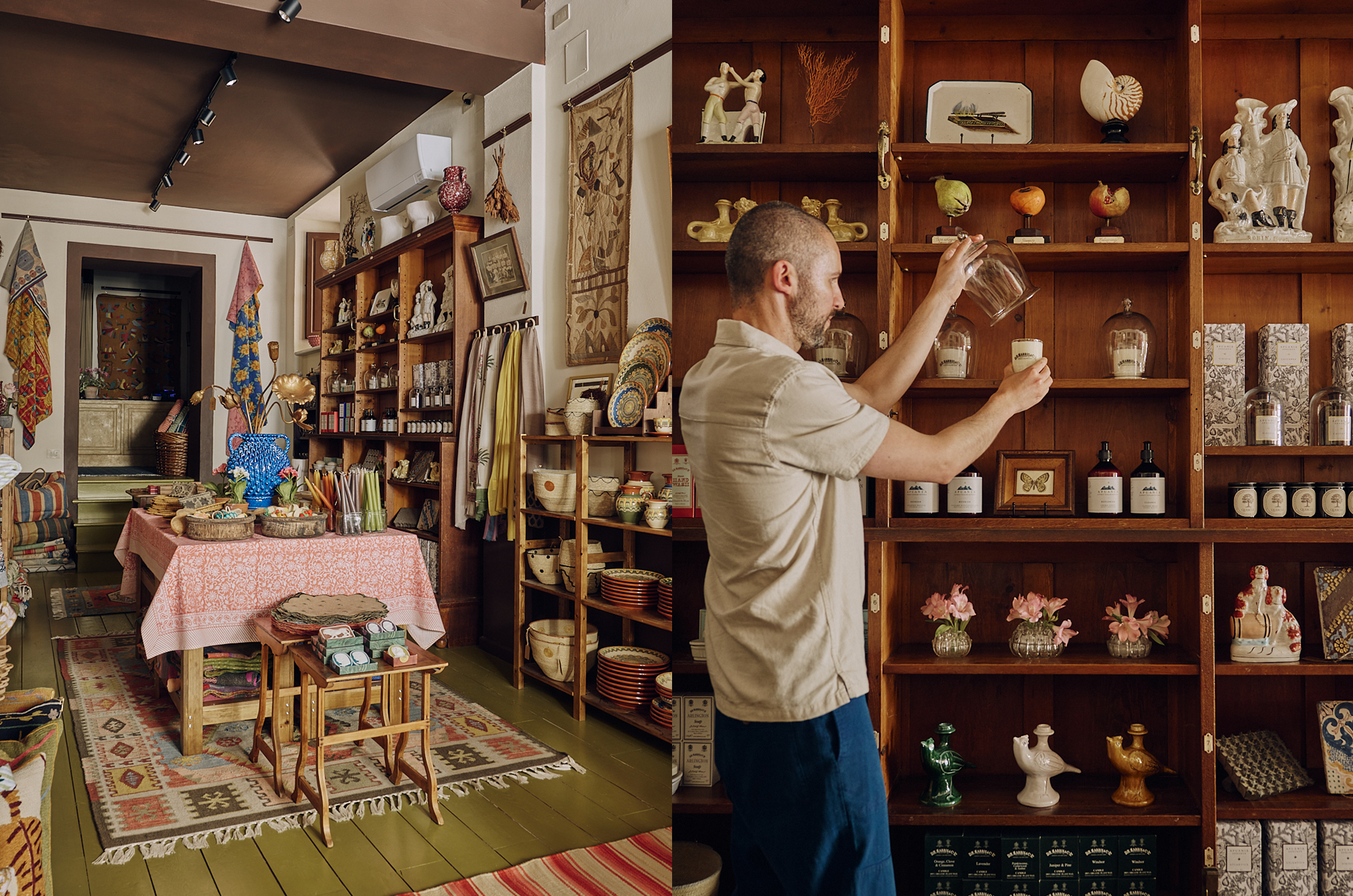
GS: Almanac brings together everything from ceramics to antiques and decorative objects. What are you drawn to when sourcing pieces, and what makes something feel right for the space?
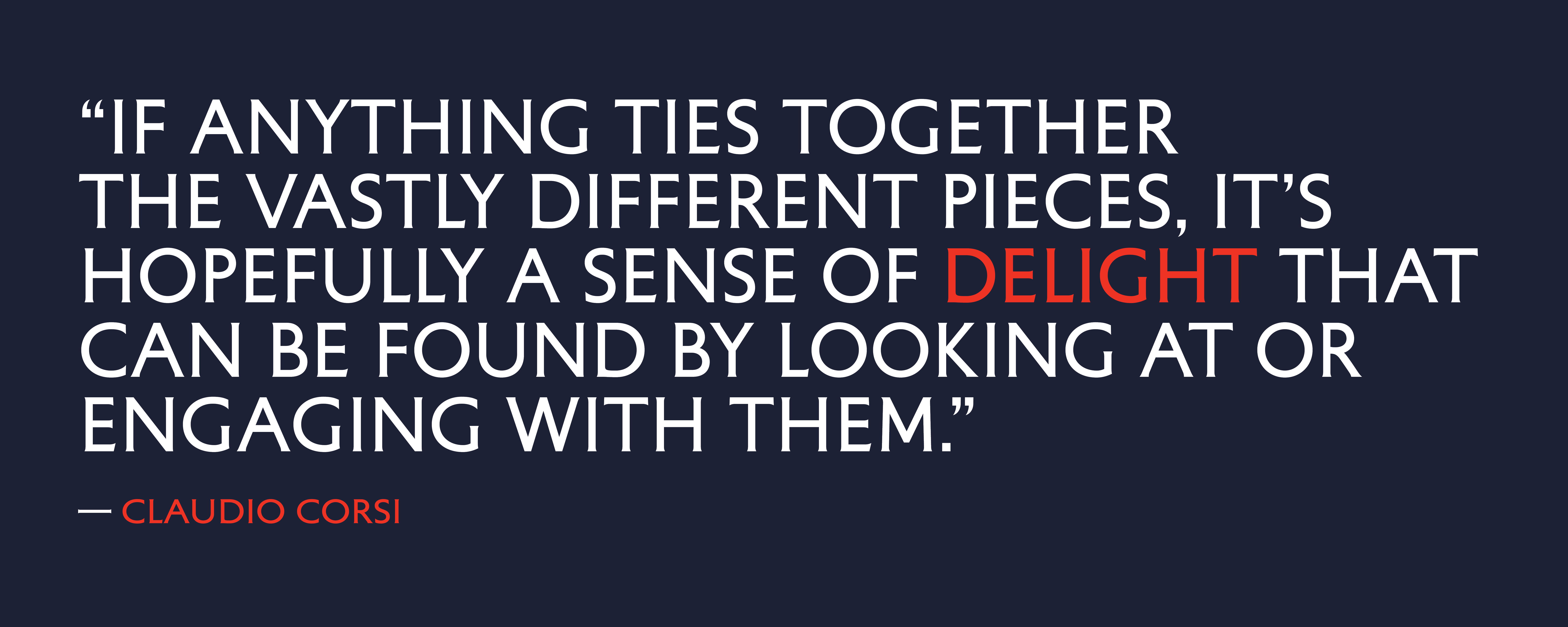
CC: There are so many beautiful shops in Pietrasanta selling special things. From day one we wanted to make sure that we offered something that wasn’t already available here – that hadn’t already been done. If anything ties together the vastly different pieces, it’s hopefully a sense of delight that can be found by looking at or engaging with them. I think that’s been one of the most satisfying responses we’ve had from clients when they come in: seeing people smile when something catches their eye or have their curiosity piqued enough to start a conversation.
GS: For someone building a home slowly and thoughtfully, what makes an object worth living with for years?
CC: We’re far more likely to keep something that we have a connection with. This has to supersede fashion or any anxiety about what we think we “should” have in our homes. That said, I don’t believe we need to over-intellectualise every object we live with. Sometimes something is worth keeping simply because it gives us pleasure every time we look at it, or because it reminds us of a place, a person, a holiday, a particular time in our lives. I suppose what makes an object worth living with for years is that it continues to give something back. That might be beauty, usefulness, humour, memory, curiosity, or simply the satisfaction of knowing that it was made with care. Homes built slowly tend to be the most interesting because they accumulate these layers over time.
GS: Beyond sourcing, what does it take to ensure that historically significant objects are properly handled and preserved over time?
CC: The first thing is simply respect for the object. That means understanding what it is made from, how fragile it may be, and what kind of care it needs. Not every old object needs to be restored or made to look new again. In many cases, the signs of age are part of its character and part of what makes it worth preserving.
My background in museum studies and the auction world has certainly made me conscious of things like light, humidity, handling, packing and display. But I think the broader point is that historic objects should be lived with thoughtfully. They need care, but they should not necessarily be treated as museum pieces. Part of the pleasure of Almanac is the idea that objects with history can still have a place in everyday life.
Explore how Cadogan Tate supports interior designers — from receiving and storage through to white-glove installation.
Related Articles

Marco Garbuglia of Barnes International
Claudio Corsi and Almanac Home

Stefanie Hessler Discusses Aeolian Suite and the…