By Francois Vandame, International Director of Business Development and Yacht Services
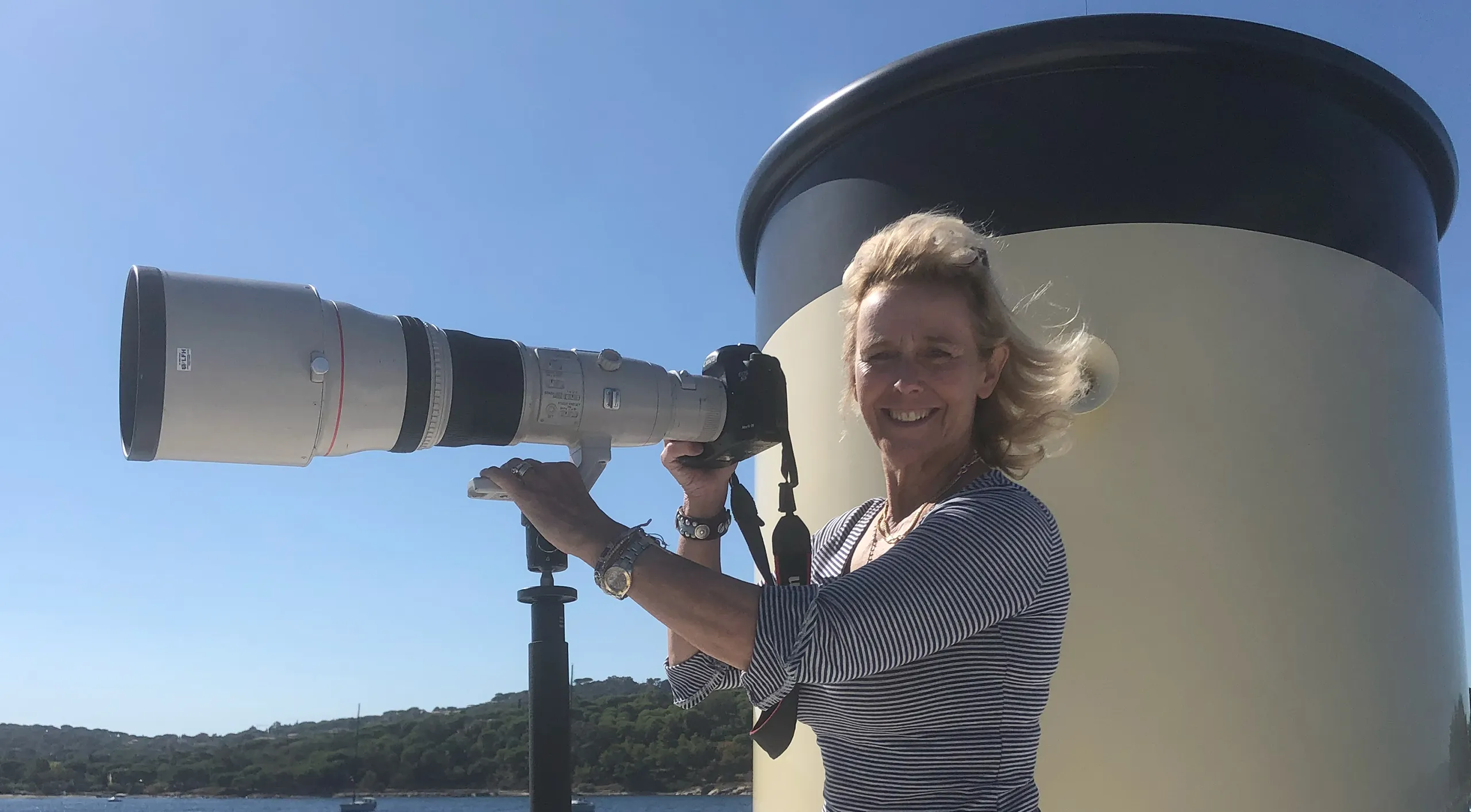
In this interview, acclaimed photographer and artist Kos Evans reflects on a career shaped by the sea, from capturing international sailing events and iconic cultural figures to creating ROCK & ROYALS, her innovative collection of photographic artworks printed on historic yacht sails. She discusses the stories behind these remarkable materials, her commitment to ocean conservation and the experiences that have inspired her distinctive artistic vision.
Francois Vandame: This year marks the 200th anniversary of Cowes Week. Having spent so much of your life on and around the Solent, what does this milestone mean to you personally, and how has the world of sailing influenced you as an artist?
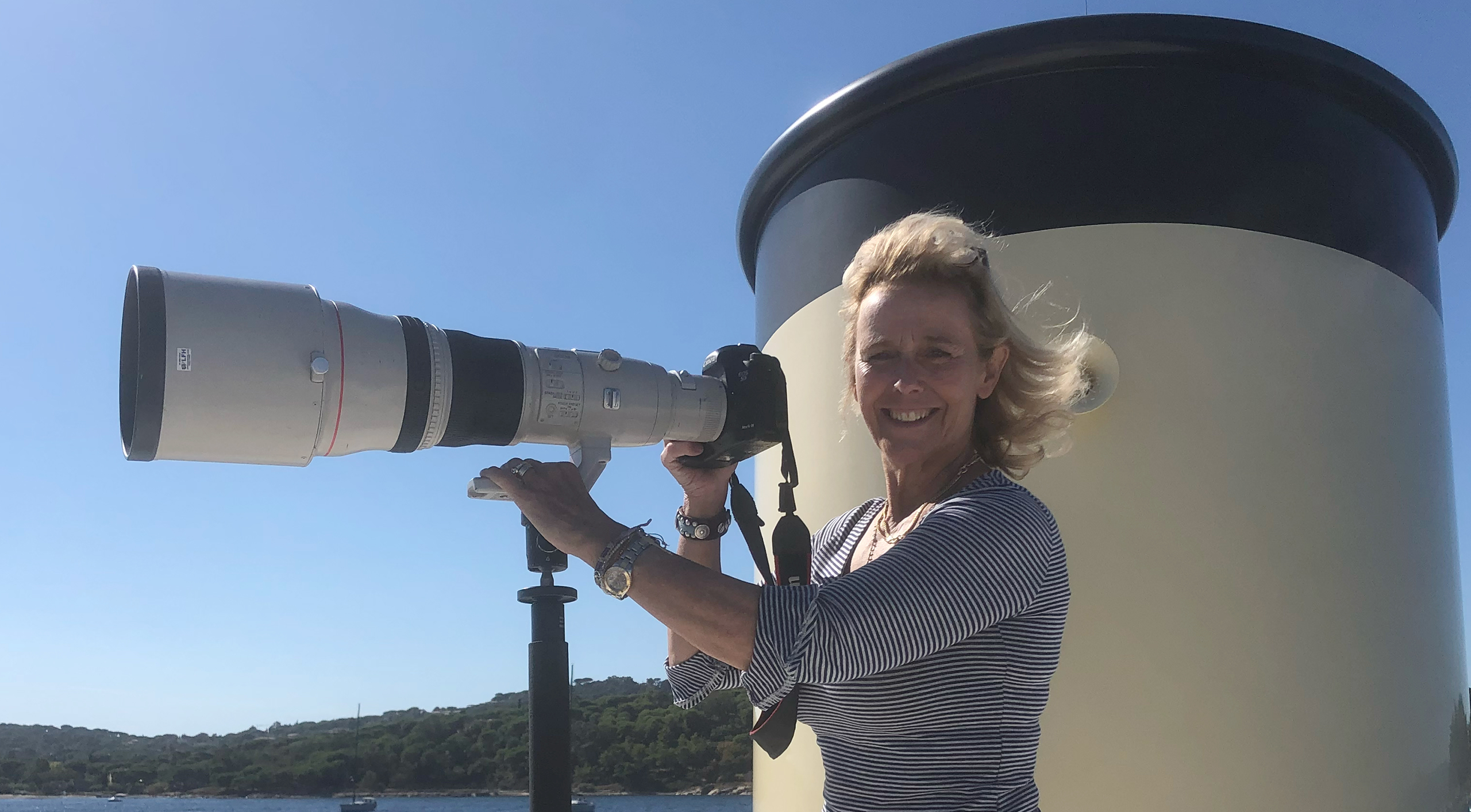
Kos Evans: Growing up sailing along the South Coast and around Cowes Week inspired my fascination with photographing life on the water. After earning my degree in Photography, Film and Television, I covered major sports and international events for publications including the Daily Mail, The Telegraph, The Times, The Observer, The New York Times and Paris Match, but the ocean—with its shifting light, weather and movement—was where I felt most at home. My sailing experience helped me anticipate conditions and capture moments instinctively, whether photographing Cowes Week, working with Rolex at international regattas or covering the Fastnet Race.
“I was always searching for an original perspective, even if that meant climbing more than 100 feet up a mast, diving beneath racing yachts or finding an unexpected vantage point at a Formula One event. To me, the challenge has never been simply to document what happened, but to create an image from an angle no one else has seen.” – Kos Evans
FV: You’re bringing Rock & Royals to Nantucket during Race Week. Can you tell us how the exhibition came together, particularly your work with 11th Hour Racing and the role sustainability plays within the project?
KE: After several years of trying to bring ROCK & ROYALS to the United States, a chance meeting with 11th Hour Racing co-founder and CEO Jeremy Pochman in Saint-Tropez made it possible. Jeremy understood that the project was not simply about turning retired sails into art, but about using art, science and sustainability to start conversations about the ocean while giving difficult-to-dispose-of materials a new life. He introduced me to Nantucket Race Week organizer Diana Brown, and the exhibition became an opportunity to support Nantucket Community Sailing, which makes sailing and watersports more accessible to the island’s year-round community, particularly young people. The project also continues to support Oceans Without Borders and its work in marine conservation, coral restoration and local communities. Visitors may initially be drawn by a historic sail, a royal figure, a rock star or an artwork, but I hope they leave thinking about eelgrass, coral reefs, deep-sea life, landfill and the health of our oceans.
FV: One of the most distinctive elements of your practice is printing photographic works onto retired yacht sails, including sails with remarkable histories of their own. What first drew you to this material, and how does the story carried by each sail influence the artwork it becomes?
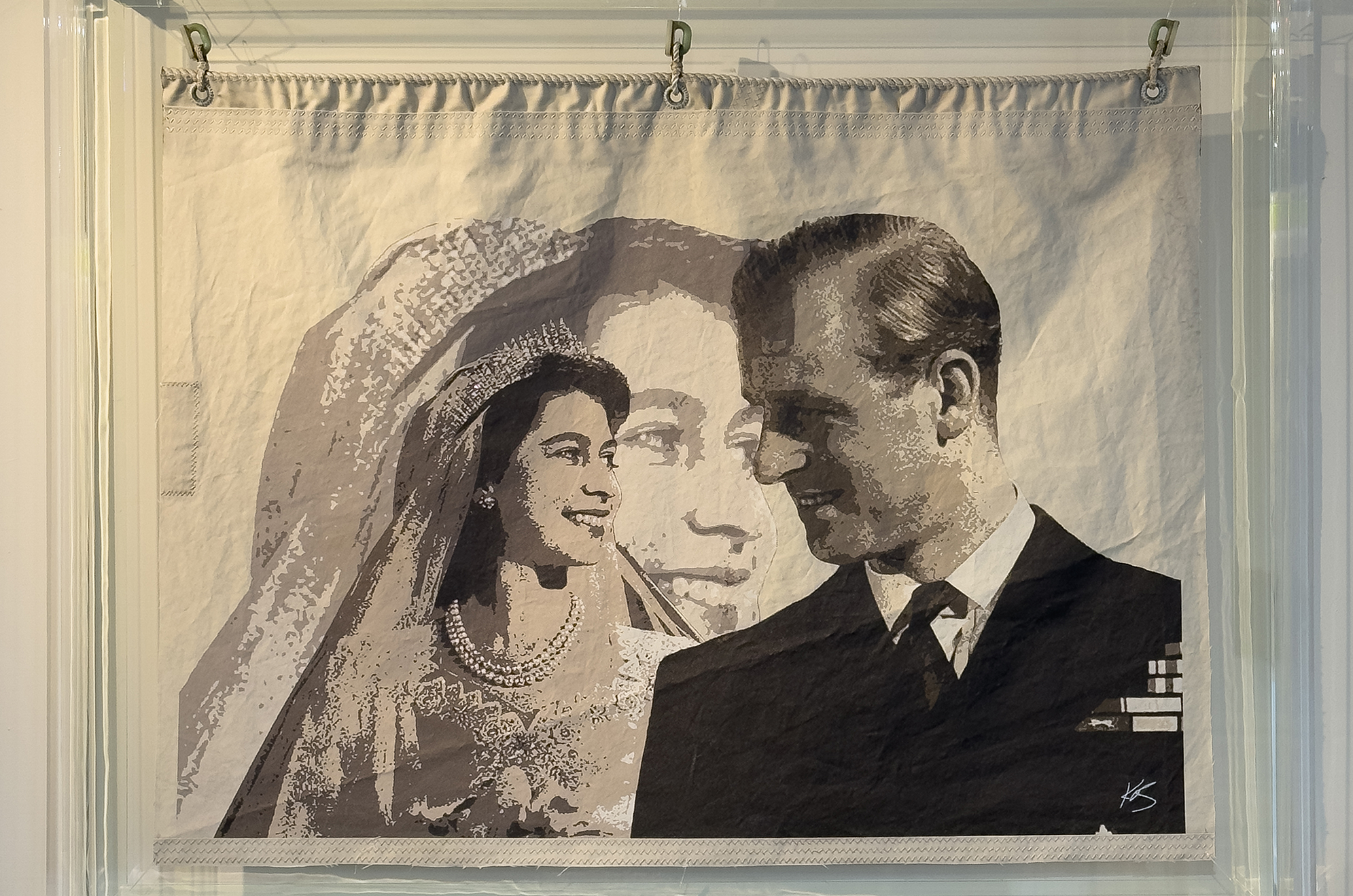
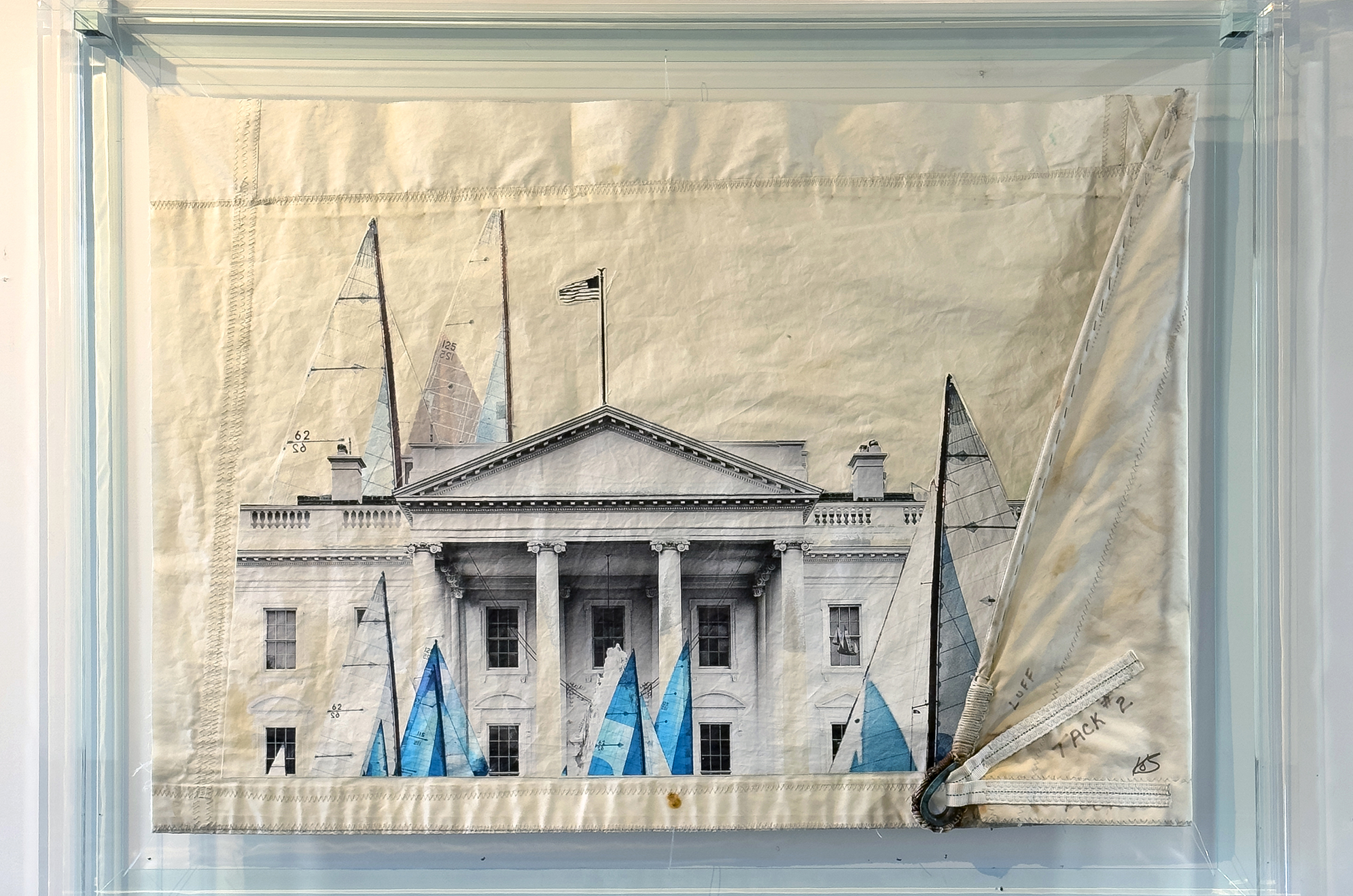
KE: After more than 40 years photographing the world’s oceans, I wanted to communicate the environmental changes I had witnessed in a positive and engaging way, beyond the conventional photograph on paper. Retired sails felt like the natural medium, although it took three years of research and experimentation to develop processes for materials ranging from cotton and Dacron to carbon fibre, each weathered by its own history at sea. As remarkable sails came to me—from King Juan Carlos, the Duke of Edinburgh’s yacht Bloodhound, President John F. Kennedy’s Manitou, King George V’s Britannia and Wendy Schmidt’s Santana, once owned by Humphrey Bogart—the sail itself became part of the artwork’s story. Its provenance guides each piece: Santana sailcloth, for example, inspired works featuring a deep-sea feather star and Humphrey Bogart and Lauren Bacall sailing through eelgrass, connecting the yacht’s history with ocean exploration and Nantucket’s harbour restoration. Each artwork gives an extraordinary material a new life while carrying its heritage and an environmental message into the future.
FV: Your career has taken you into extraordinary environments, from shooting from helicopters and capturing high-speed action on the water to working on Bond films and alongside figures such as Simon Le Bon. How have those experiences shaped the way you approach photography and your instinct for capturing a moment?
KE: As one of the first women to establish a career in sports photography in the early 1980s, I built my reputation by seeking viewpoints others had not seen. During the 1983 America’s Cup, I became the first photographer to shoot from the top of a 12-metre mast—an image that led to my first major exhibition at Aquascutum on Regent Street—and I continued climbing masts, diving beneath racing yachts and photographing from helicopters long before drones and remote cameras existed. That instinct followed me through powerboat racing, Simon Le Bon’s Whitbread Round the World Race campaign aboard Drum, and the filming of The World Is Not Enough, when my boat served as a second-unit chase boat and I photographed the opening sequence.
“These experiences taught me to anticipate action, remain calm in unpredictable conditions and build trust with high-profile subjects without compromising the image. That commitment to finding the unexpected angle ultimately became both my approach and my reputation.” – Kos Evans
FV: Your work gives new life to materials and moments that already carry their own histories. As your pieces travel, are exhibited, and enter collections, how do you think about their care, preservation, and stewardship for the future?
KE: Bringing the American debut of ROCK & ROYALS to Nantucket and supporting Nantucket Community Sailing was a great honour, and I was deeply moved by how strongly visitors responded to the histories embodied in the sails. Works created from sailcloth connected to Pete Townshend, President John F. Kennedy, King George V and Wendy Schmidt’s Santana brought genuine pieces of cultural and sailing history together in one room. Collectors understood that they were acquiring more than artworks: they were becoming custodians of unique objects that had crossed oceans, survived remarkable journeys and witnessed moments that could never be recreated. That idea of custodianship is central to the project. By transforming these sails into contemporary artworks, I can preserve their provenance, extend their stories and entrust them to a new generation that will care for them into the future.
To learn about Cadogan Tate’s Yacht Services click HERE.
Related Articles
Kos Evans on Rock & Royals
Gaëlle Jaunay-Callendini and the Floating Art Hotel
Chris Frisby of the UKSA on the…