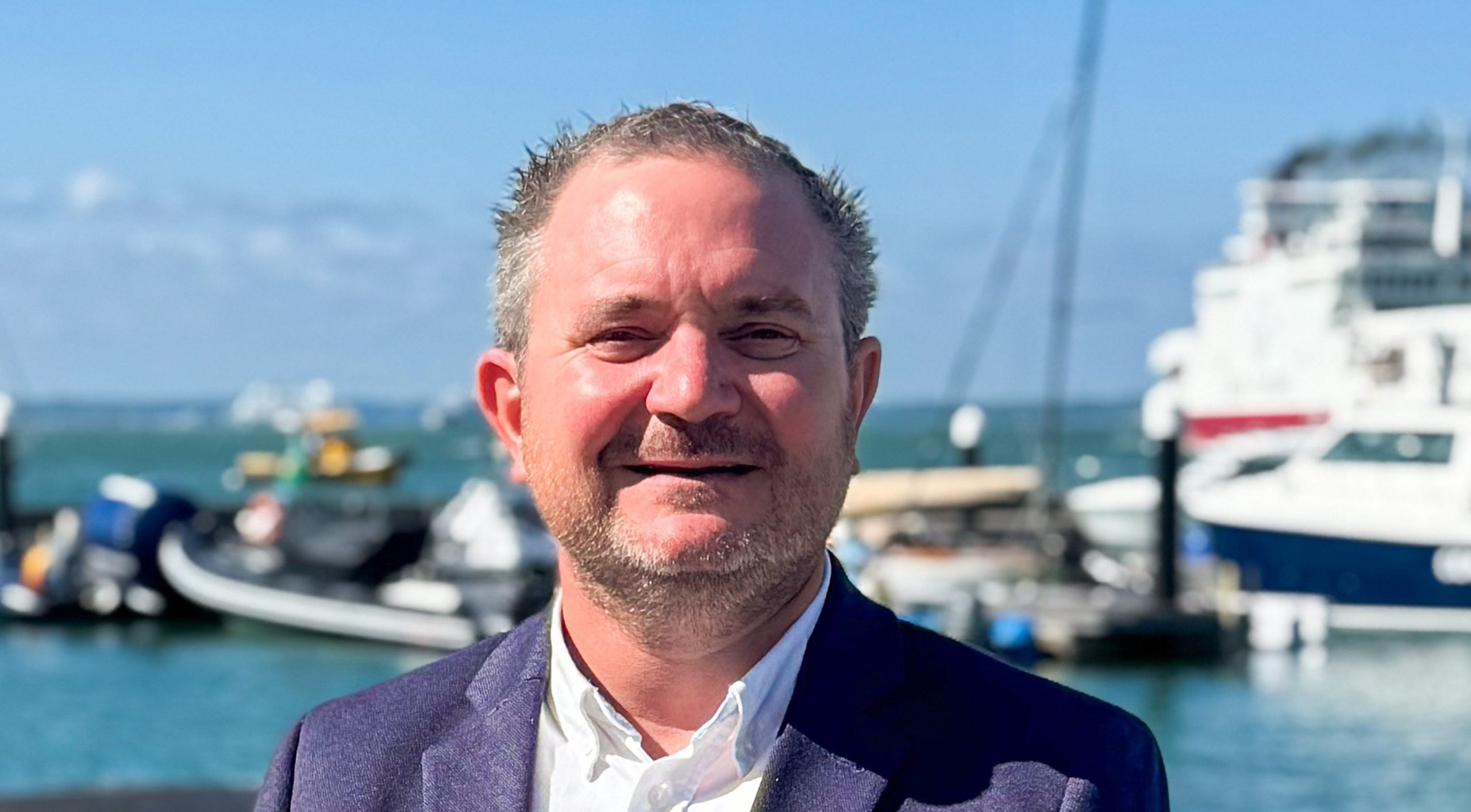
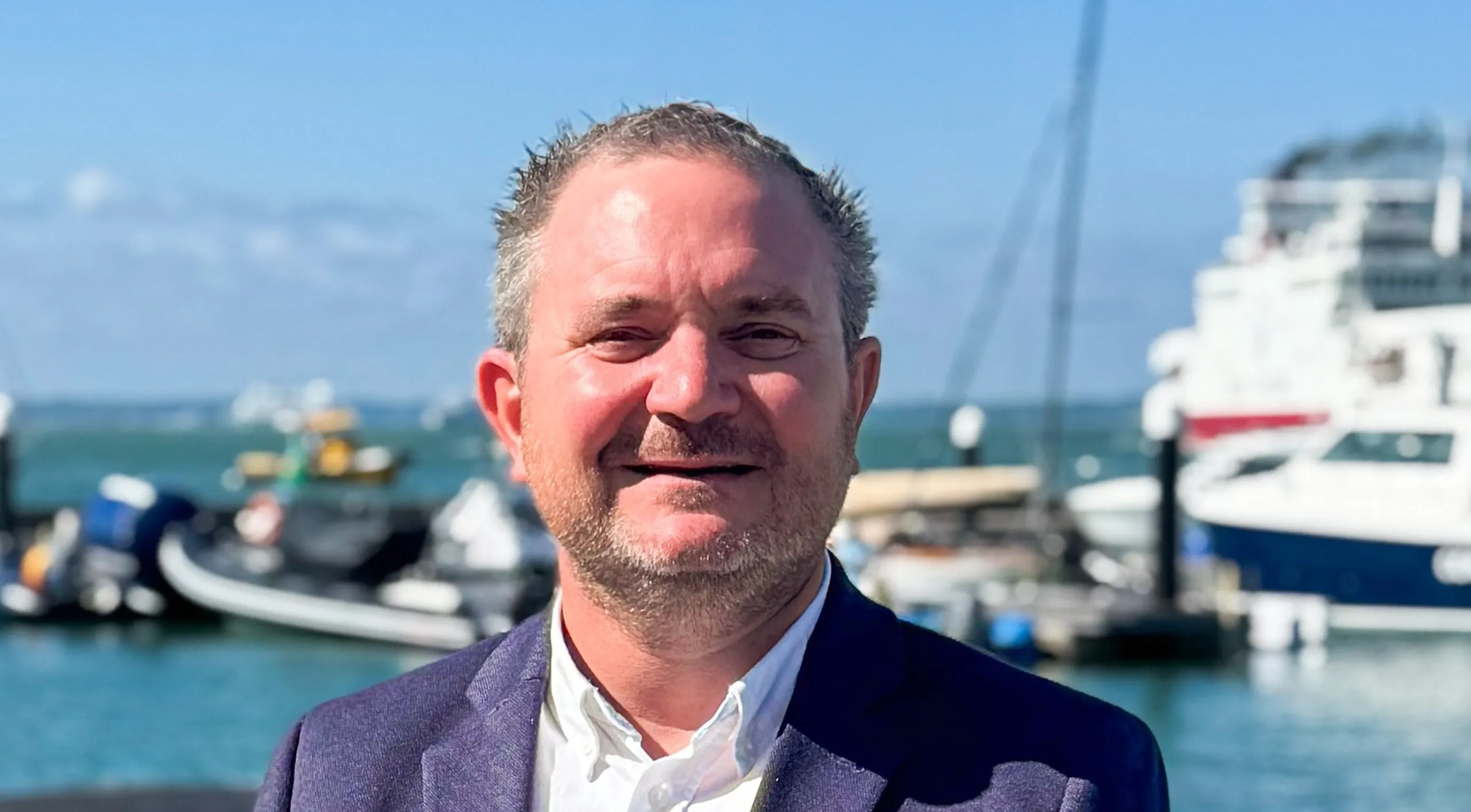
Chris Frisby of the UKSA on the future maritime workforce
Michael Driver: How will the new Victoria Barracks education centre change the student experience, and how did you open it without disrupting training?
Chris Frisby: Victoria Barracks is much more than an additional building. It provides dedicated, high-quality learning spaces designed specifically for today’s maritime students, including modern classrooms, welfare facilities and improved access to the water. It also reduces pressure on our main West Cowes campus and increases our capacity to help more young people and adults enter maritime careers. The greatest operational challenge was delivering a major capital project alongside our busy training schedule. We were determined that students would experience no disruption, so the work required careful coordination across facilities, IT, compliance, timetabling and staffing. I’m incredibly proud that, from the students’ perspective, the transition was seamless.
MD: What skills are maritime employers seeking, and how does UKSA prepare new crew for the realities of working onboard?
CF: There is a shortage of qualified junior engineers, particularly as vessels become more technologically advanced. At the same time, captains increasingly value multi-skilled crew who understand engineering systems, can troubleshoot problems and contribute beyond a narrow job description. Our Engineering Crew Training programme responds directly to those needs while creating broader career opportunities for new entrants. However, technical skills are only part of the equation. The most common feedback from captains concerns professionalism, attitude and resilience. They want crew who arrive prepared, communicate clearly, take ownership of tasks and understand that they are working in somebody’s home as well as aboard a commercial vessel. The biggest culture shock for new crew is often the standard of work and level of attention to detail expected. Whether handling lines, cleaning, interacting with guests or maintaining equipment, every task matters.
“Yachting offers adventure, but it also demands consistency, discipline and service excellence. We establish those expectations early so graduates understand both the opportunities and responsibilities of the role.” – Chris Frisby
MD: How do you prepare young crew to manage the mental and emotional demands of life at sea?
CF: We focus on realistic situations rather than abstract theory. Young crew may work in demanding environments and spend extended periods away from their families and usual support networks. We discuss the situations they could encounter onboard, how to recognise when they or a colleague may be struggling, and what practical support looks like. When students understand that wellbeing directly affects performance, safety and long-term career success, the subject stops feeling like another mandatory lecture and becomes relevant to their lives.
MD: How do industry partnerships help make maritime careers more accessible?
CF: Partnerships at UKSA are about far more than equipment or sponsorship. Whether we are working with Henri-Lloyd, Edmiston, yacht management companies, employers, charities or industry bodies, the common thread is a commitment to developing the next generation of maritime professionals. Our partners help shape training programmes, identify changing workforce needs, fund bursaries and provide work experience and employment pathways. This helps ensure that students develop skills employers genuinely need. Accessibility remains at the heart of our mission. We work with supporters, trusts, foundations and corporate partners to fund training for young people who might otherwise be unable to access it.
“Maritime careers can be life-changing, but talent is distributed much more widely than opportunity. Our role is to bridge that gap so a person’s background or financial circumstances do not determine their potential.” – Chris Frisby
MD: Are more trainees viewing maritime work as a long-term profession, and what is UKSA’s priority for the next two years?
CF: Adventure remains a major attraction, but increasing numbers of candidates now see the industry as a genuine profession rather than a short-term experience. Structured pathways lead to senior roles in deck operations, engineering, hospitality and command, with careers that can extend well beyond 15 years. Trainees are also becoming more aware of the transferable skills and progression opportunities available across commercial shipping, workboats and offshore industries. Over the next 24 months, our goal is to establish UKSA as the UK’s leading maritime careers centre. That means continuing to deliver exceptional training, deepening employer partnerships and creating clearer routes into employment. Victoria Barracks gives us the platform to reach more learners, but our success will ultimately be measured by how many people build rewarding, long-term careers at sea through the opportunities they find at UKSA.
Related Articles
Kos Evans on Rock & Royals

Gaëlle Jaunay-Callendini and the Floating Art Hotel
Chris Frisby of the UKSA on the…