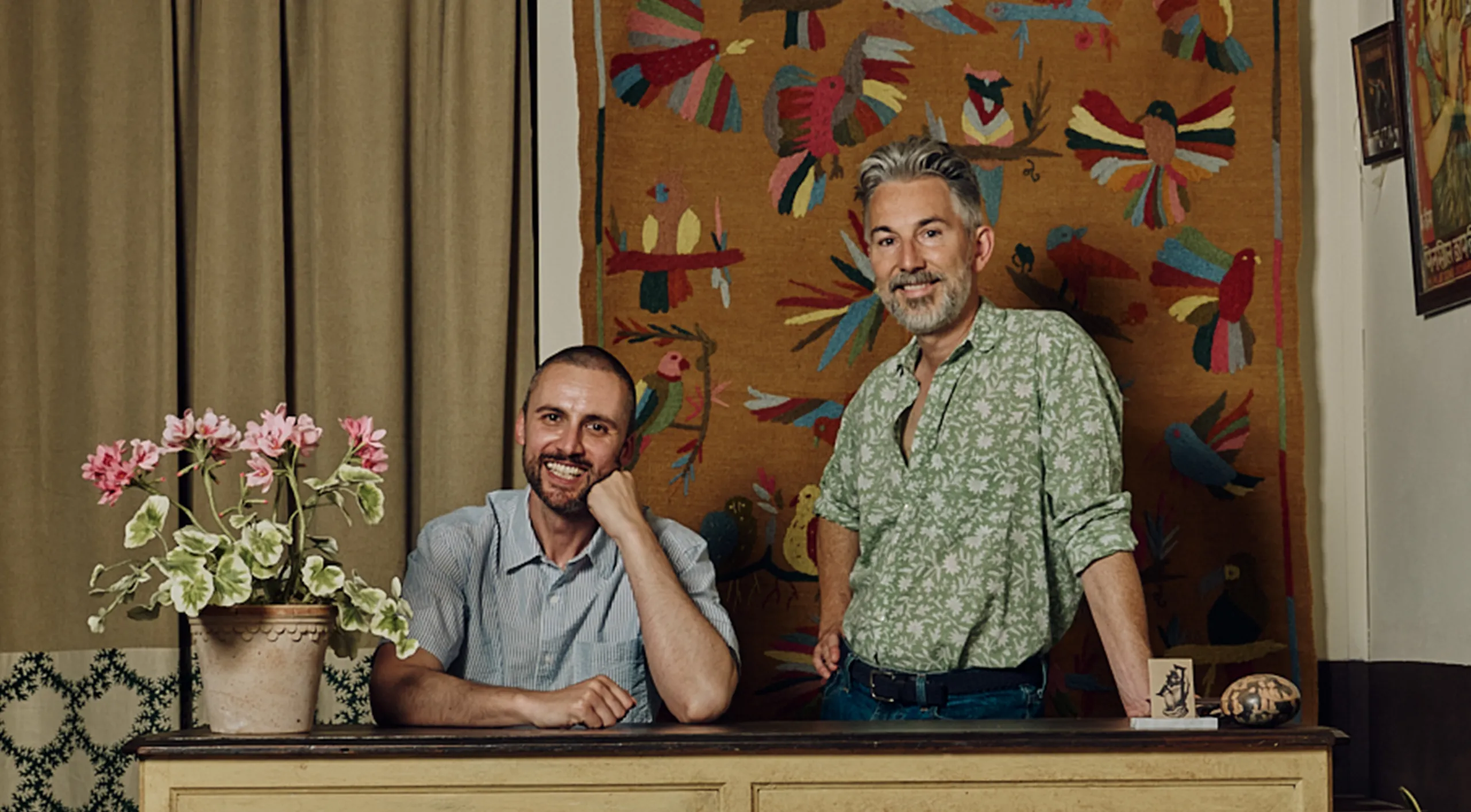
By Alexa Reid Smith, Senior Business Development Director, Cadogan Tate
As we close out the month of August, Senior Business Development Director, Alexa Reid Smith, looks back on Cadogan Tate’s inaugural collaboration and sponsorship of the Aspen Art Fair. Held at the Hotel Jerome, the fair celebrated its 3rd edition in 2026 with Kelly Cornell as newly appointed fair director. Alexa and Kelly connect on leadership, the Aspen market and the vision for the fair as it approaches its fourth edition.
Alexa Reid Smith: Kelly, this was your inaugural season with the prestigious Aspen Art Fair and one of the most successful iterations of the show to date. Congratulations and kudos! Tell us more about how you came to work with the fair and, more broadly, what got you into fair leadership in the first instance.
Kelly Cornell: Thank you—it was an incredibly rewarding first year. I began working with the Dallas Art Fair early in my career and grew alongside the organization, becoming Director in 2016. That experience gave me the opportunity to understand every aspect of producing a fair, from gallery and collector relations to programming, partnerships and operations.
When the opportunity arose to lead the Aspen Art Fair while continuing my role in Dallas, it felt like a natural next step. I was excited by what the Aspen Art Fair had already established: a highly curated, intimate fair in an extraordinary setting, with a strong emphasis on relationships and meaningful engagement. My goal was to build upon that foundation while helping the fair continue to evolve and expand its reach.
ARS: Colorado and Texas are two distinct geographies and art-world communities. What synergies do you observe between the two, and how were you able to leverage your existing experience leading the Dallas Art Fair to benefit the Aspen show?
KC: Dallas and Aspen each have distinct identities, but there is a meaningful connection between their collector communities. Many collectors move between the two regions and share a sense of curiosity, an entrepreneurial spirit and a genuine commitment to supporting artists, galleries and cultural institutions.
My experience in Dallas has shown me how important it is for a fair to be deeply connected to its location and the broader cultural ecosystem around it. I brought that same approach to Aspen—strengthening institutional partnerships, creating opportunities for collectors and galleries to spend meaningful time together, and developing programming that extends beyond the commercial fair experience. At the same time, it was important to preserve what makes Aspen entirely its own.
ARS: To what extent is the fair’s audience regional to the United States versus global? How does this impact your approach to programming and gallery selection?
KC: The fair has a strong national audience, with collectors coming from across the United States, but Aspen itself is an international destination. That creates an opportunity to introduce galleries and artists from around the world to an engaged and sophisticated curator and collector base.
When considering galleries and programming, we look for a balance of regional relevance and international perspective. The quality of the work is always paramount, but we are also interested in presentations that encourage discovery and conversation. Our goal is to create a fair that feels connected to Aspen while remaining part of a much broader global dialogue.
ARS: The art fair space has been the subject of much aggregation in recent years—in some instances, creating global mega-fair brands. How do smaller fairs differentiate themselves? What opportunities and challenges are there, and how do you meet them in the current market?
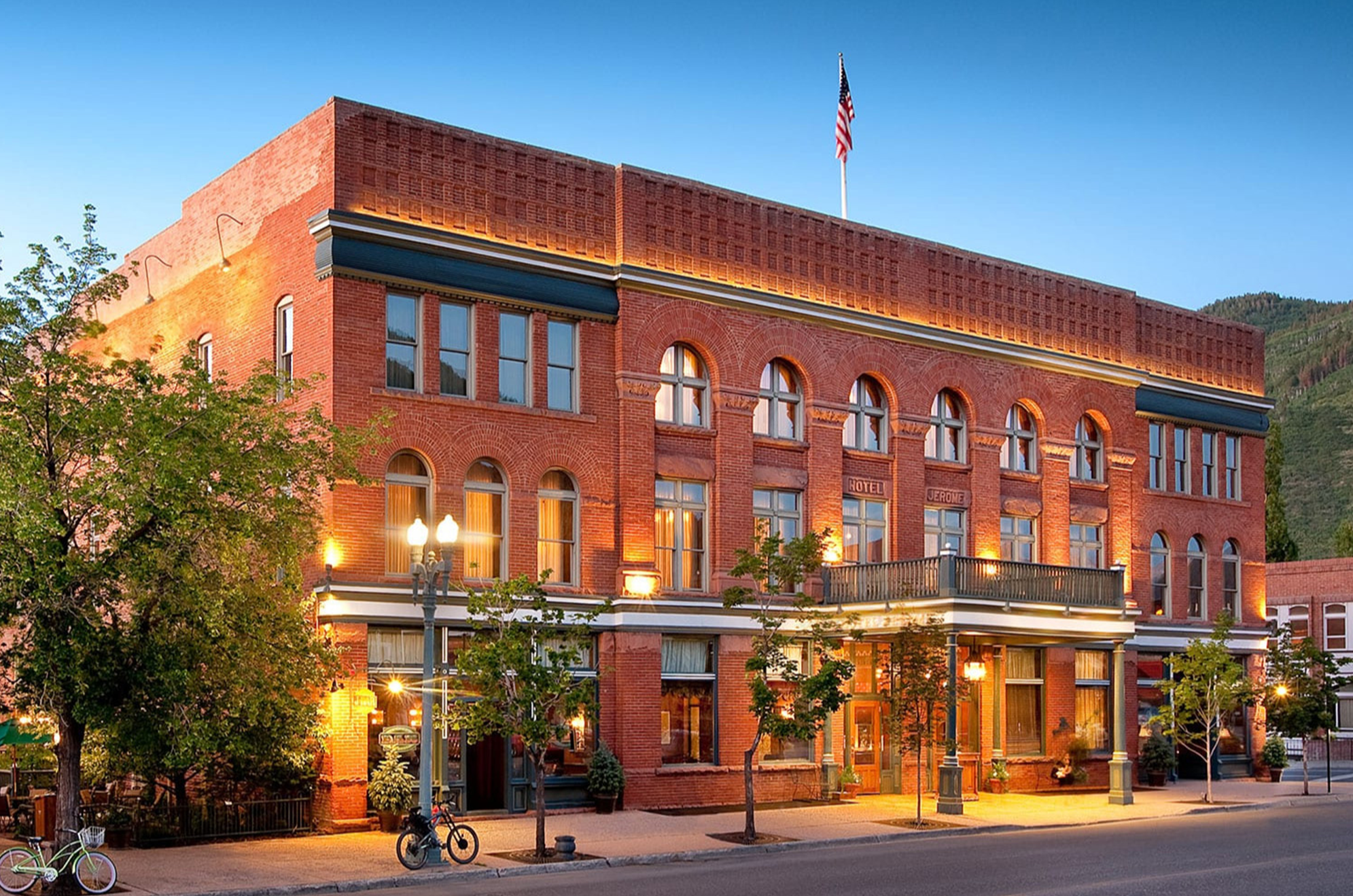
KC: Smaller independent fairs can offer something increasingly valuable: intimacy, a strong sense of place and the ability to be highly intentional about every aspect of the experience. At the Aspen Art Fair, galleries and collectors have time and space for real conversations. The setting at Hotel Jerome also allows each presentation to feel distinctive rather than part of an endless convention-center aisle.
The challenge is to maintain a very high level of quality while operating at a more focused scale. But that scale is also our greatest opportunity. We can be responsive, thoughtful and relationship-driven. We are not trying to replicate a mega-fair; we are creating an experience that feels personal, curated and specific to Aspen.
ARS: At Cadogan Tate, our mantra is “Everything, Handled with Care.” To what extent is the role of Fair Director involved in the operational delivery and execution? How important is it to the success of a fair?
KC: A Fair Director is involved in nearly every aspect of the fair, from the broader curatorial vision and gallery selection to programming, partnerships, installation and the experience of exhibitors and guests. The creative and operational sides are inseparable—an ambitious vision only succeeds when it is executed thoughtfully and with great attention to detail.
That is particularly true in a setting like Hotel Jerome, where galleries, artworks, visitors and events are integrated throughout a historic property. It requires close coordination and trusted partners. Cadogan Tate’s expertise and care were essential to ensuring that the artwork was handled, installed and presented at the highest level. When the operations are seamless, galleries and visitors can focus on the art and the conversations taking place around it.
To learn more about the Aspen Art Fair click HERE.
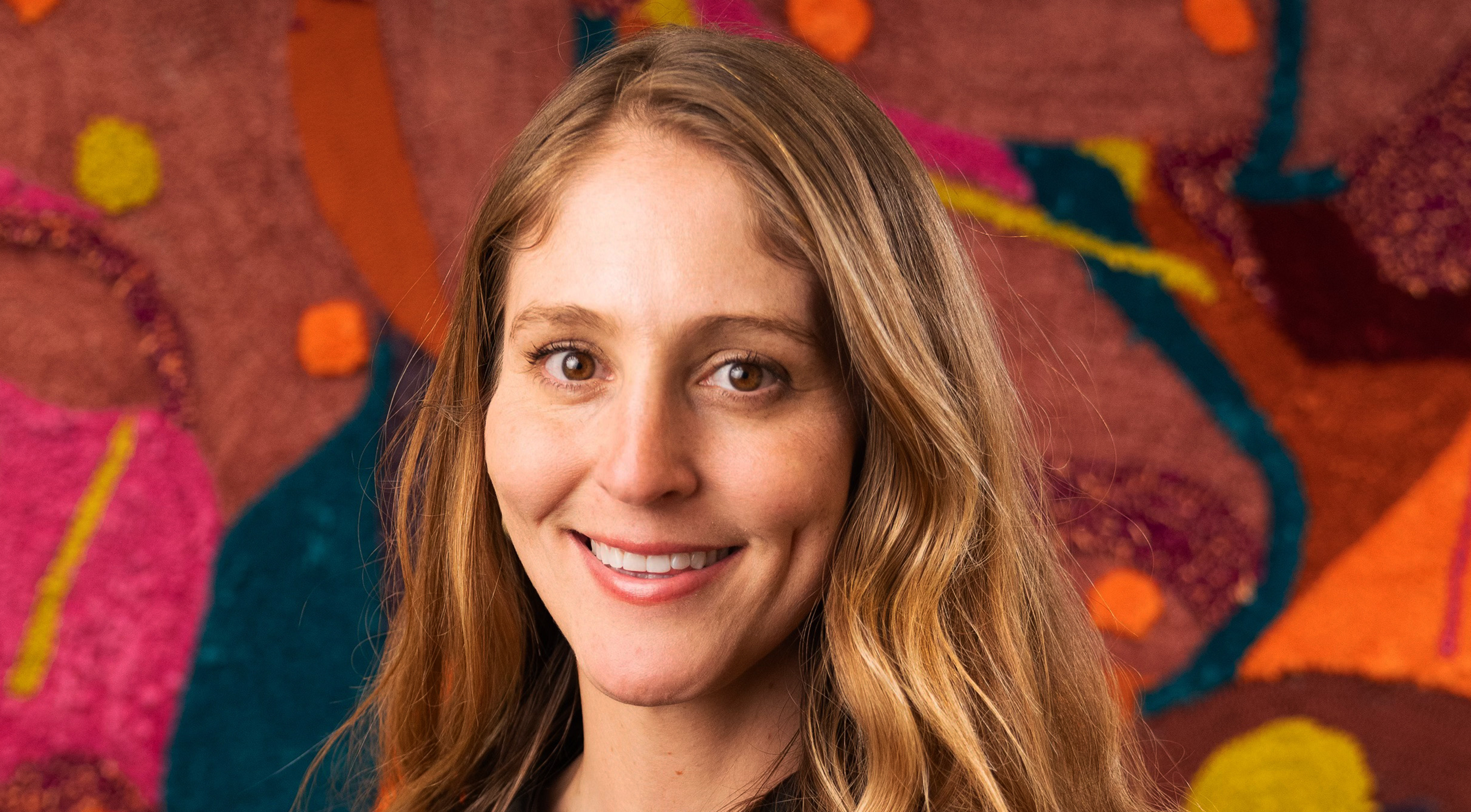
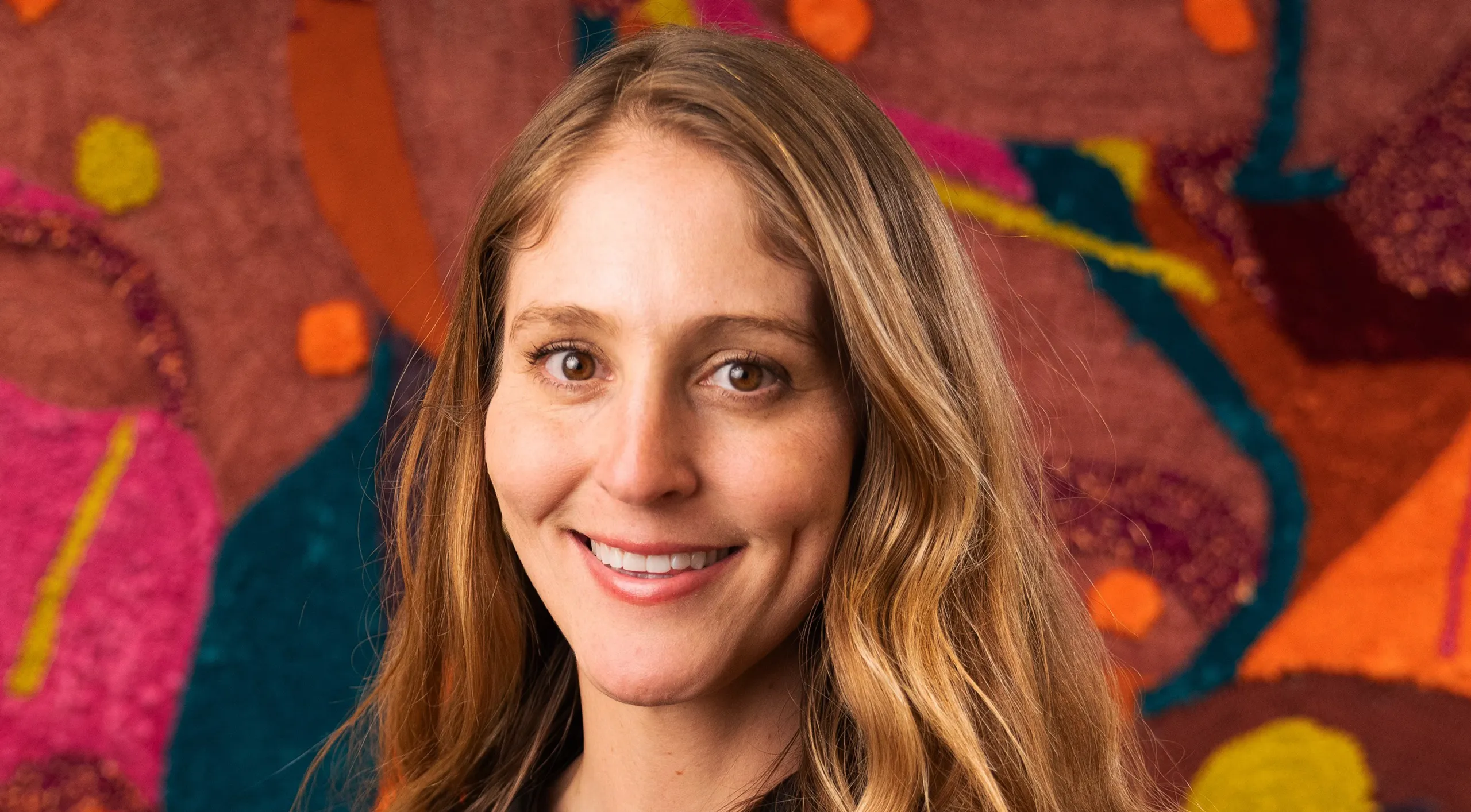
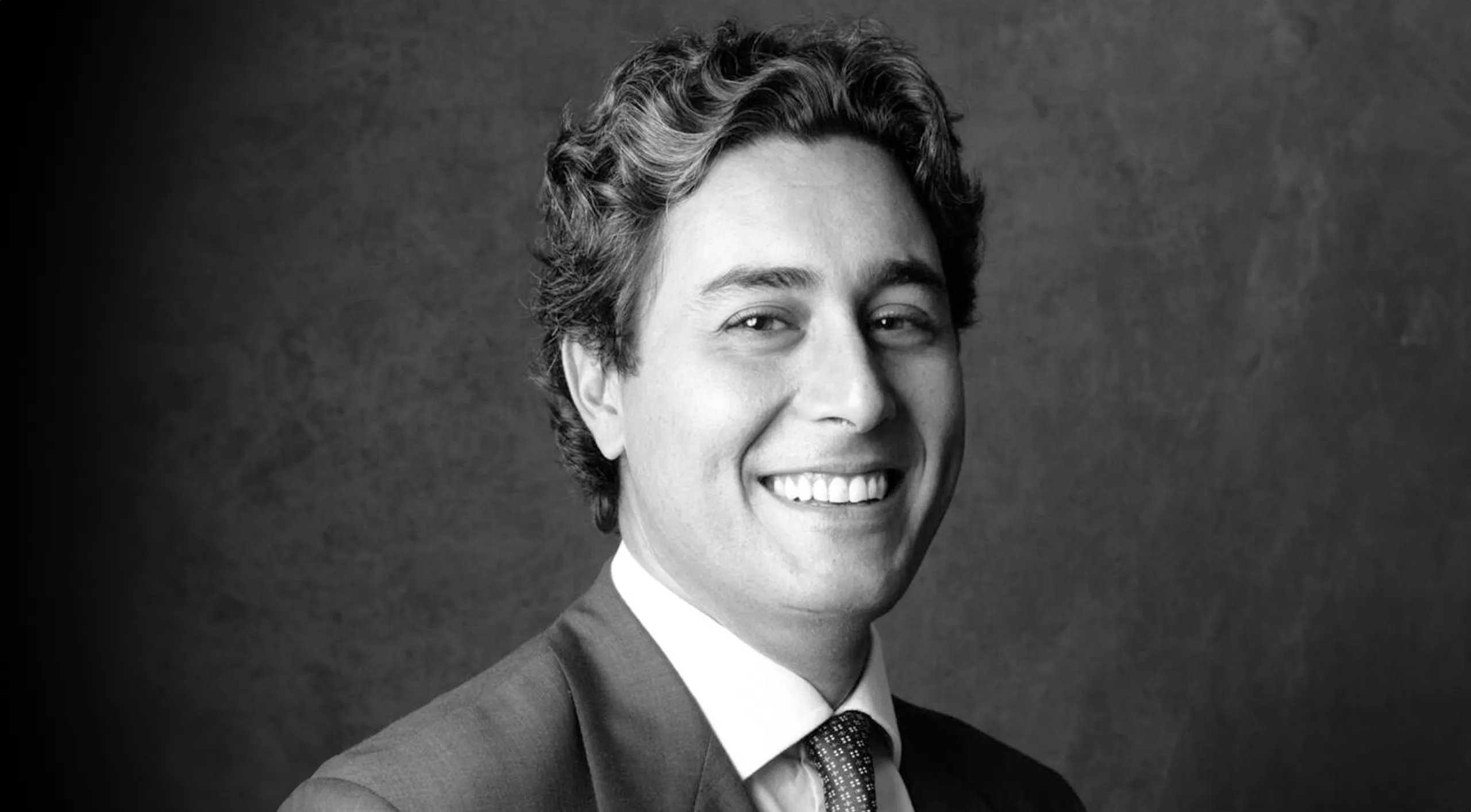
*Kelly Cornell portrait by Exploredinary.
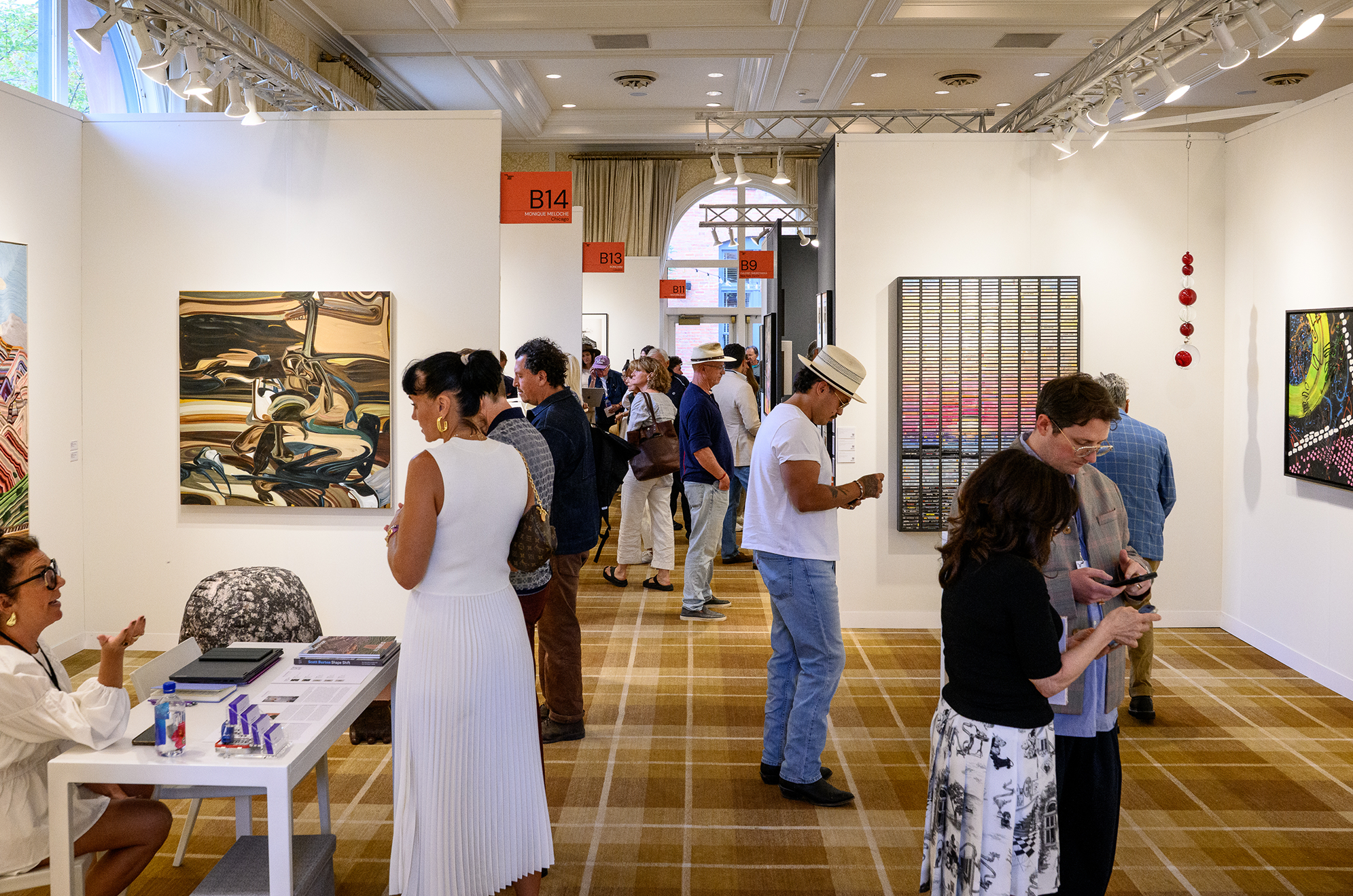
*Photo of the Aspen Art Fair 2026 VIP Opening Preview and Reception at the Hotel Jerome by Zach Hilty/BFA.com
*Photo of Hotel Jerome courtesy of Hotel Jerome, Auberge Resorts Collection.
Related Articles
Stephen Feeney's Expertise on Moving to Italy
Aspen Art Fair Success
Marco Garbuglia of Barnes International