Nicole Darnell of Design Miami on Success and Sustainability

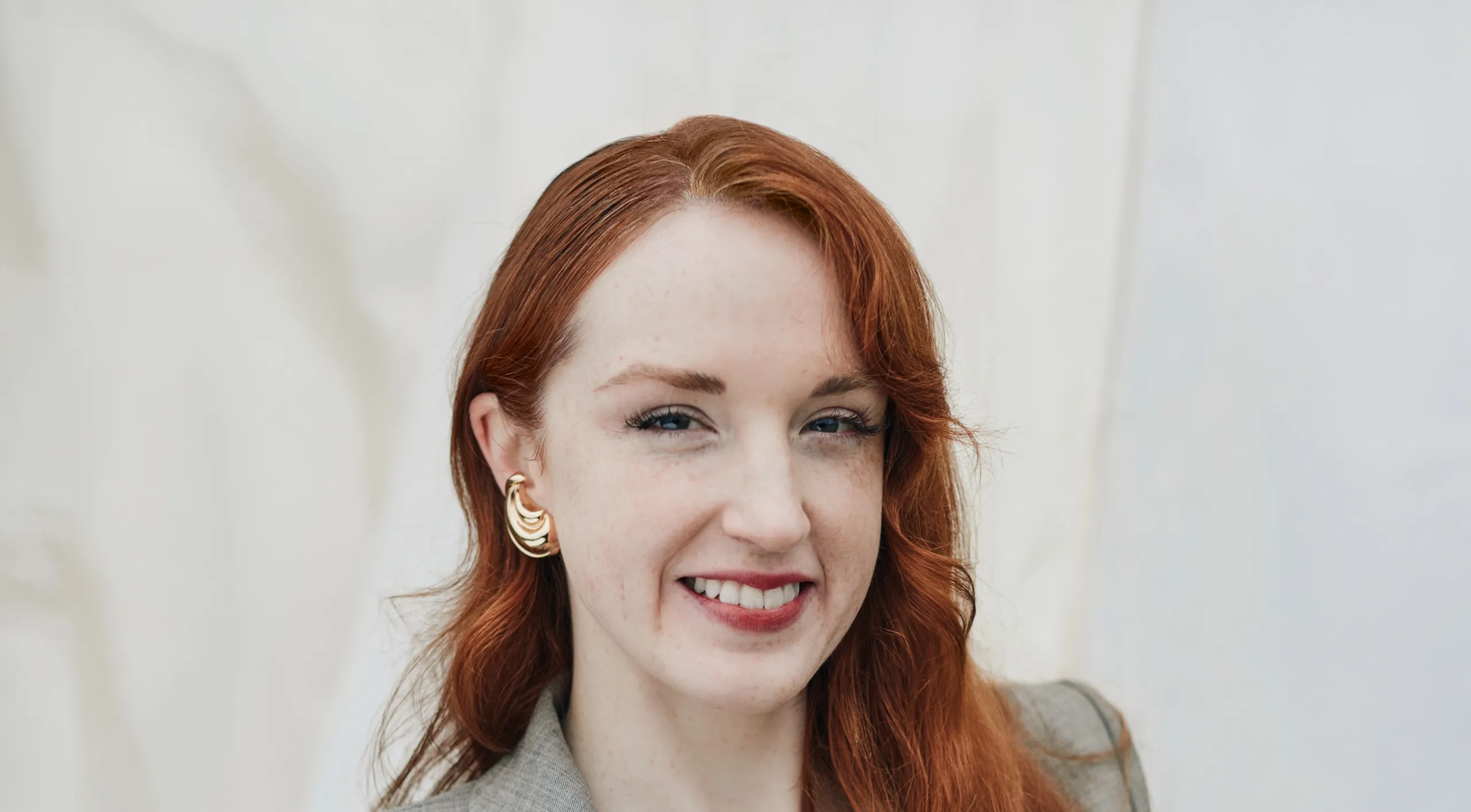
Francois Vandame, International Director of Business Development and Yacht Services, speaks with Nicole Darnell, Executive Vice President, Fairs and Production at Design Miami, about the vision behind Design Miami Paris, the challenges of staging a fair in a historic residence, and the details that shape the collector experience.
Francois Vandame: How has Design Miami Paris evolved, and how do you balance its local character with the global brand?
Nicole Darnell: Design Miami Paris has always been about creating a dialogue between collectible design and the city’s extraordinary cultural and design history. We wanted an experience that feels genuine to Paris: intimate, architectural, and deeply connected to its setting. Across Miami Beach, Seoul, and Paris, our standards for curation, gallery relationships, production, and attention to detail remain consistent. But each edition responds to its city’s architecture, culture, audience, and rhythm. I think of it as the same vocabulary spoken in a different accent. Paris should feel unmistakably Design Miami, yet impossible to transplant elsewhere.
I know we’ve succeeded when the production complexities melt away: the architecture feels natural, the works have room to breathe, the lighting is right, and people are conversing and immersed in discovery. – Nicole Darnell
FV: How do you showcase design within the 18th-century L’Hôtel de Maisons while respecting its heritage?
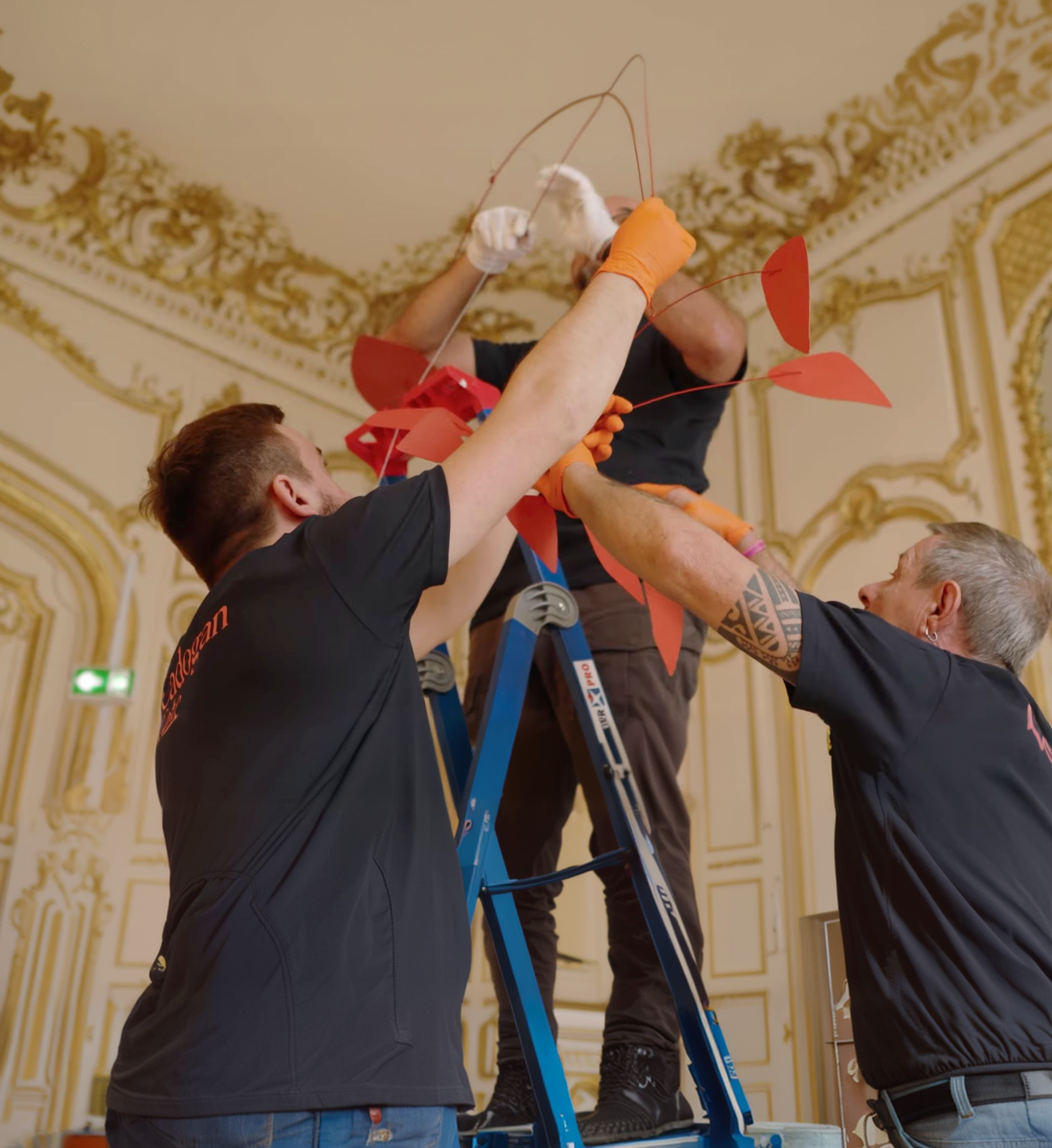
ND: The building is our starting point and an essential part of the exhibition. We study its sightlines, circulation, proportions, historic details, and how people naturally move through the rooms, then introduce historic and contemporary design without overwhelming the architecture. The works and the building should complement one another, making each more impactful. We also work with galleries very early to preserve their creative ambitions. That means reviewing dimensions, weight, access routes, floor loads, rigging, power, installation methods, and timing—following each work’s entire journey from the truck to its final position. Sometimes we modify an installation; sometimes we engineer a different approach. The goal is to realize the designer’s and gallery’s vision safely while respecting the building.
FV: What are the biggest production challenges, and how do you lead the team through unexpected problems?
ND: The biggest challenge is reconciling a historic residence with the demands of a contemporary international fair. Moving large objects through narrow openings, staging equipment, placing infrastructure, and protecting historic surfaces all become more complicated within a compressed installation schedule. Successful leadership means staying calm, understanding the issue quickly, and bringing the right people together. Delayed deliveries, technical problems, conservation concerns, or installations that need re-engineering require collaboration and a focus on solutions. Rather than one particular last-minute “miracle,” what stands out is how consistently our team finds a path through seemingly impossible situations. By opening day, the fair must operate with precision while all that engineering and coordination remain invisible to visitors.
FV: How do you create an intimate collector experience, and what tells you the fair has succeeded?
ND: Intimacy comes from proportion, pacing, and discovery. The architecture allows visitors to encounter works gradually, rather than see everything at once. Lighting establishes hierarchy and atmosphere, while spatial flow creates places to pause, discover something unexpectedly, and have a conversation. We want collectors to slow down and move through a series of environments with something new to discover. I know we’ve succeeded when the production complexities melt away: the architecture feels natural, the works have room to breathe, the lighting is right, and people are conversing and immersed in discovery.
Successful leadership means staying calm, understanding the issue quickly, and bringing the right people together. Delayed deliveries, technical problems, conservation concerns, or installations that need re-engineering require collaboration and a focus on solutions. – Nicole Darnell
FV: How are you making temporary fair production more sustainable?
ND: Sustainability starts with smarter decisions before we arrive onsite. We look at what can be reused, made modular, repurposed across events, or given a life beyond a single edition. That means reducing unnecessary fabrication, considering transportation and storage, and asking whether something truly needs to be produced from scratch. Being more intentional about those choices can make a meaningful difference.
Related Articles
Business Age: Credence, Where Credence Is Due
PLATFORM: Simone Brewster and Spirit of Place
Lucy Bishop, the Fashion Auctioneer