Climate Controlled Art Storage: Why It Matters for Your Collection
By David Sierra, General Manager
Decades of collecting precious art and objects can be undone by a single summer spent in the wrong storage facility. Temperature fluctuations and changes in humidity can do a world of damage to your priceless goods. It’s one of the most preventable forms of loss and one of the main reasons I feel so passionately about ensuring our clients receive the best possible storage solutions.
Read on to learn more about why climate control matters, how humidity affects different materials, and what professional storage facilities offer that standard units cannot.
Why climate control matters for fine art storage
Climate-controlled art storage protects valuable pieces from damage caused by fluctuating temperatures and humidity, with ideal conditions sitting around 68-72°F with 50% relative humidity. This matters because artwork materials are organic and reactive. Canvas, paper, wood, textiles, and certain paints all expand and contract as environmental conditions shift. A rapid change in humidity is one of the greatest threats to fine art.
That consistency is what sets proper art storage apart from a standard storage unit. Sure, some self-storage facilities advertise climate control — but there’s a big difference between basic temperature regulation and the kind of precise, monitored environment that fine art actually needs.
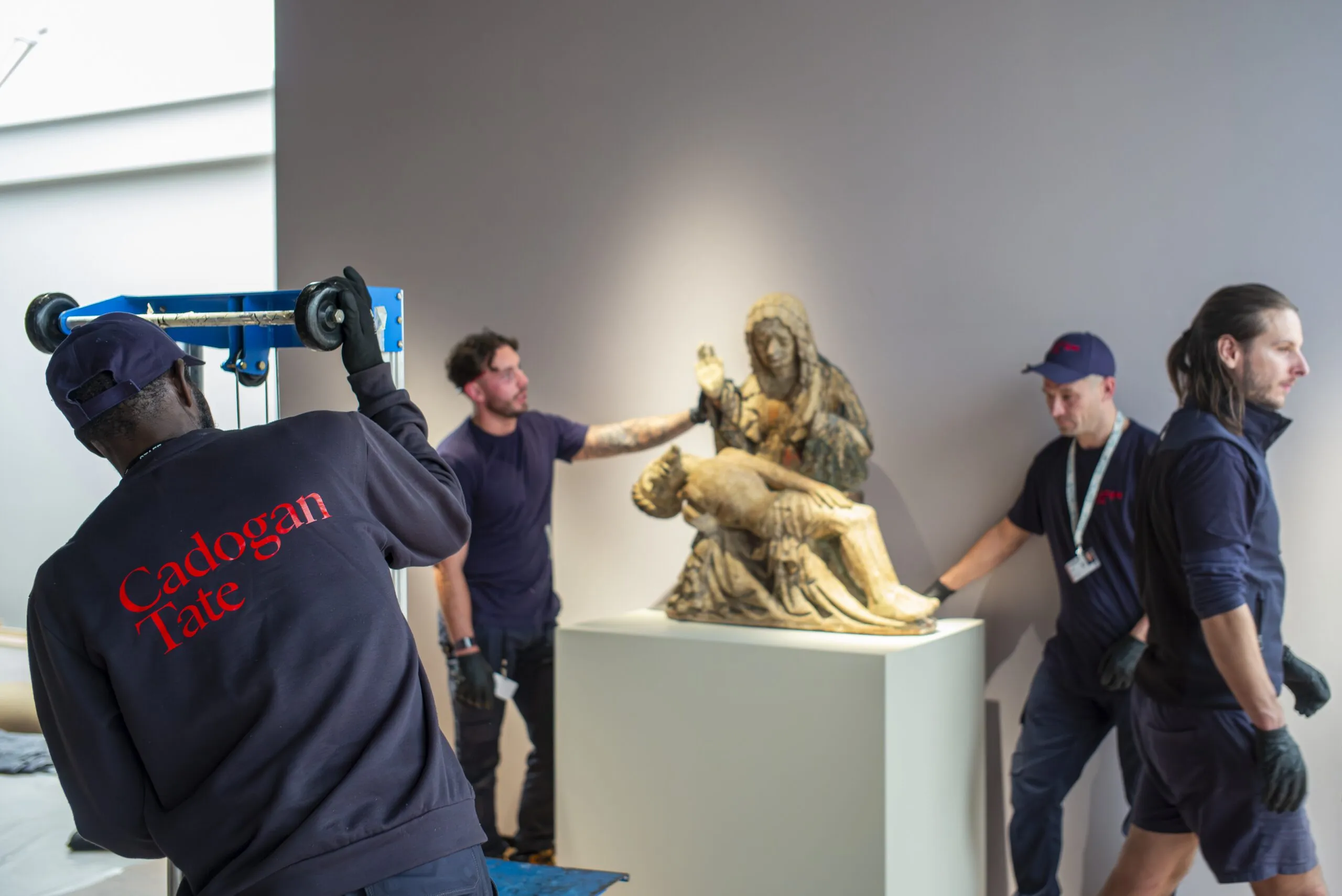
At Cadogan Tate, our fine art storage facilities maintain these conditions all year-round to ensure your pieces remain safe and sound.

How temperature and humidity affect different art media
Oil paintings and canvas works
Canvas expands when humidity climbs and shrinks when it falls. Over time, this can cause paint layers to crack or flake.
Varnish has its own set of problems. High temperatures can soften it, making the surface sticky enough to attract dust and pollutants. The National Park Service’s conservation guidelines note that chemical deterioration doubles every 10°C increase in temperature. On the other hand, low humidity can cause varnish to become brittle and cloudy, obscuring the image underneath.
Works on paper and photographs
Paper absorbs moisture, making drawings, prints, watercolors, and archival documents particularly sensitive to humidity fluctuations.
Photographs present their own challenges. The emulsion layer on traditional prints can stick to glass or other surfaces in humid conditions, while extreme dryness causes curling and cracking. Color photographs may also experience dye fading from repeated temperature swings.
Textiles and fabric-based art
Fibers in tapestries, embroideries, and fabric-based artworks break down more quickly in unstable environments. High humidity promotes mold and attracts pests while low humidity causes fibers to become brittle and prone to tearing.
Sculpture and mixed media
Metal sculptures corrode or tarnish as humidity climbs while wooden sculptures and frames expand and contract, sometimes warping permanently. Mixed media pieces are especially complex, as each component may have different environmental tolerances. From an operational standpoint, these items demand a lot from a storage facility (and can be most vulnerable if corners are cut).
Benefits of professional climate controlled art storage
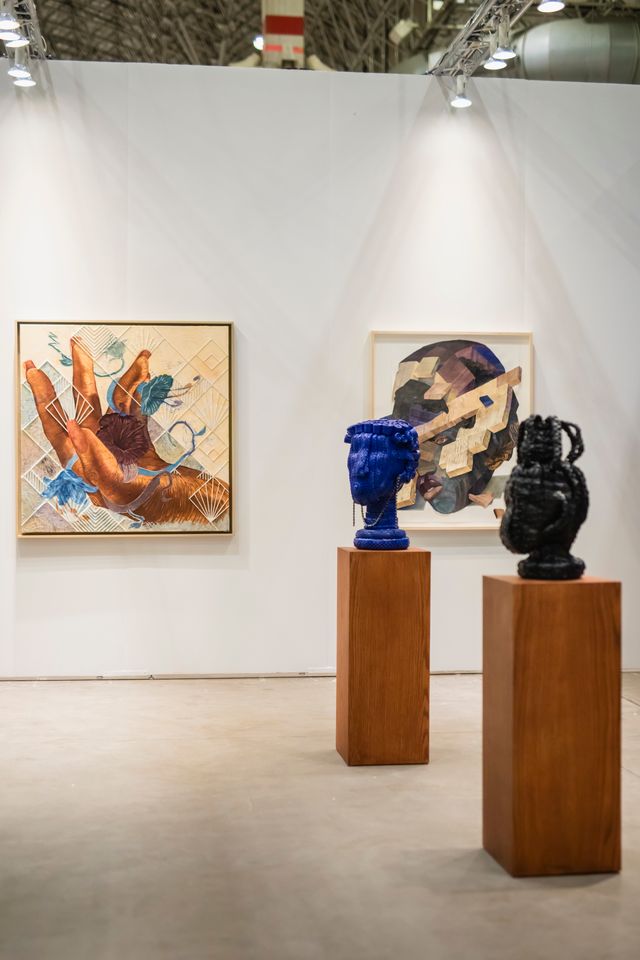
The best professional fine art logistics providers offer much more than temperature and humidity regulation–facilities should combine environmental control with security, handling expertise, and client services that standard self-storage simply cannot match.
Long-term preservation of artwork integrity
Maintaining stable conditions helps prevent cumulative damage that can occur over time. For collectors or institutions managing permanent collections, this is of utmost importance. Deloitte’s Art & Finance Report estimates that $1 trillion in art and collectibles could transfer between generations in the coming decade, meaning the preservation of these items is invaluable. Climate-controlled storage helps provide long-term peace of mind.
Flexible storage options and private viewing rooms
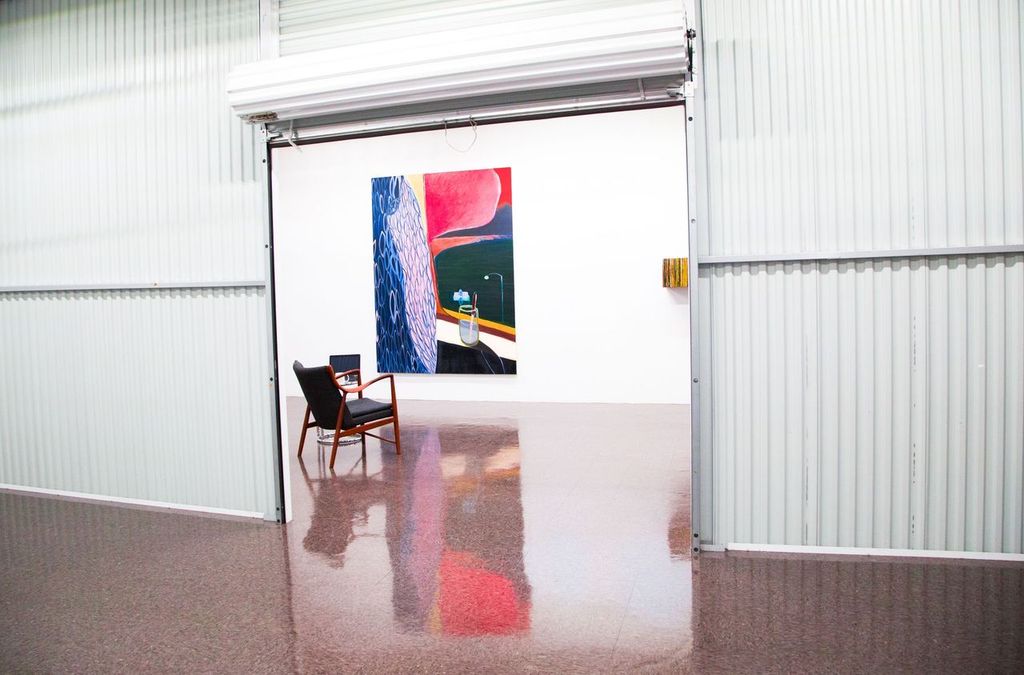
At Cadogan Tate, we offer a myriad storage options to suit every collection. One thing I’ve found is that clients want to feel connected to their collections. Our climate-controlled viewing rooms solve for this, allowing clients to inspect works thus maintaining a relationship with stored pieces rather than just warehousing them indefinitely.
Digital inventory management
Our proprietary Client Portal features photographed inventory records within two business days of intake, allowing clients to monitor collections remotely from anywhere in the world. This is especially valuable for collectors with works across multiple locations, or those managing estates and insurance documentation. It’s a feature I’m proud of, as transparency and access are invaluable.
Protect your collection with Cadogan Tate
If you’re considering climate-controlled storage for fine art, antiques, or valuable collections, find out how Cadogan Tate’s fine art storage services can provide the security, environmental control, and expert handling your collection deserves.
Related Articles

Lucy Bishop, the Fashion Auctioneer

Inside the World of PAD

Nicole Darnell of Design Miami on Success…